WISCONSIN CAR ACCIDENT & PERSONAL INJURY ATTORNEYS.

Protect Your Loved Ones: Nursing Home Abuse Signs to Know
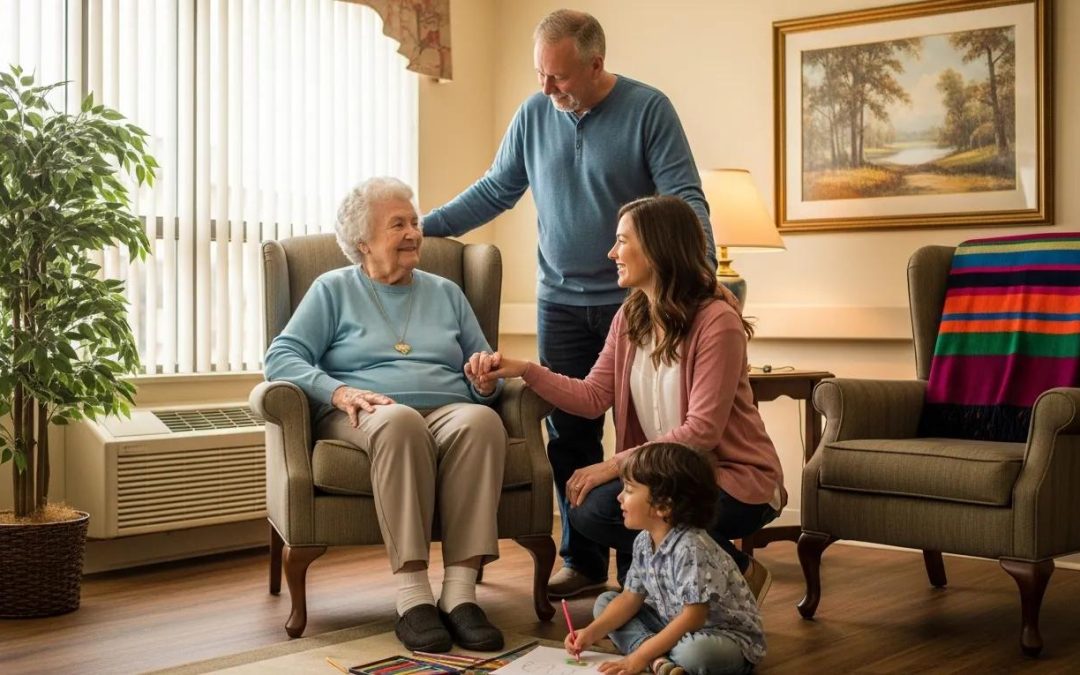
Gendlin, Liverman & Rymer | Protect Your Loved Ones: Nursing Home Abuse Signs to Know

Nursing Home Abuse in Wisconsin: Warning Signs Families Should Never Ignore

Nursing home abuse affects families across Wisconsin. Recognizing warning signs protects vulnerable relatives. This article outlines physical, emotional, and neglect-related abuse, summarizes victims’ rights under Wisconsin elder-abuse laws, and describes reporting steps and legal options families can pursue to protect residents.

Regional data show the problem’s scope and the need for informed action.

Milwaukee County Elder Abuse Statistics & Reporting

The burden of elder abuse and neglect in Milwaukee County is substantial, with 3,384 reports filed from 2006 through 2009. Prevalence estimates based on reported cases are likely conservative. Enhanced provider awareness of victim and perpetrator characteristics is necessary to improve recognition and response.

An analysis of elder abuse rates in Milwaukee County, 2011

Warning signs of nursing home abuse in Wisconsin that families should never ignore include:

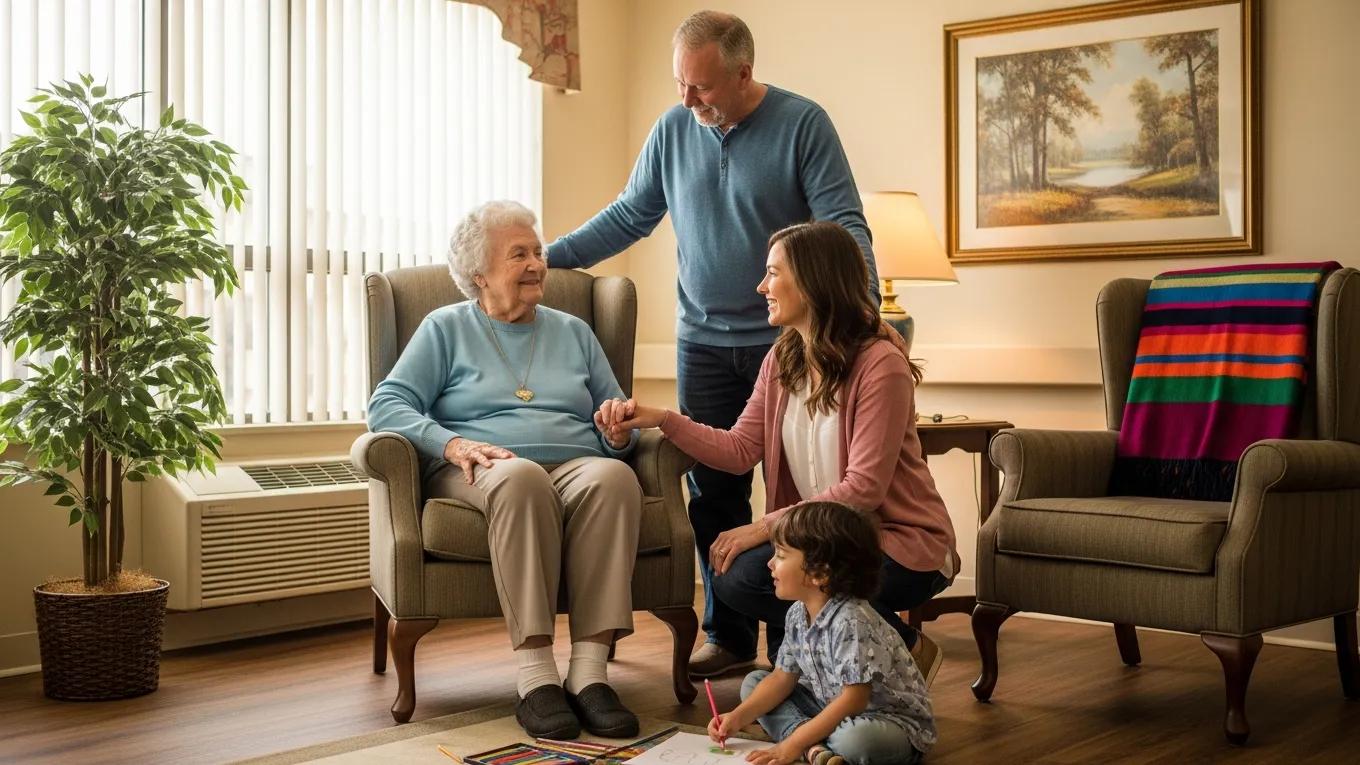
Gendlin, Liverman & Rymer | Protect Your Loved Ones: Nursing Home Abuse Signs to Know

Early identification lets families intervene before harm escalates. Common indicators include:

  1. Bedsores: Often a sign of neglect, showing residents are not being regularly repositioned or cared for.
  2. Weight Loss: Sudden or unexplained weight loss can indicate inadequate nutrition or care.
  3. Frequent Slip and Fall Injuries: Repeated accidents may reflect unsafe conditions or insufficient supervision.

If you suspect abuse, consult a “nursing home abuse attorney” for advice on legal options and next steps.

What Are the Common Signs of Elder Abuse in Wisconsin Nursing Homes?

Elder abuse appears in many forms; recognizing signs helps families act. Common indications include:

  • Physical Abuse Signs: Unexplained injuries, bruises, or fractures; withdrawal or fear around certain caregivers.
  • Emotional Abuse Signs: Anxiety, depression, sudden mood changes, or distress when specific staff are present.
  • Neglect Indicators: Poor hygiene, untreated medical needs, or lack of basic necessities like food and water.

How to Identify Physical and Emotional Abuse in Nursing Facilities

Detecting abuse requires vigilance. Look for:

  • Unexplained Injuries: Frequent injuries without a clear or credible explanation.
  • Behavioral Changes: Sudden anxiety, fearfulness, withdrawal, or other mood shifts linked to facility staff.

Noting these signs helps families pursue care adjustments, investigations, or legal remedies.

Recognizing Signs of Neglect and Improper Care in Wisconsin Nursing Homes

Neglect can be as damaging as physical abuse. Watch for:

  • Bedsores and Weight Loss: Clear indicators of inadequate care or monitoring.
  • Medical Overdoses: Incorrect medication dosages or missed medications signal serious neglect.

When these signs appear, advocate for immediate corrective action and consider reporting the facility.

What Legal Rights Do Victims Have Under Wisconsin Elder Abuse Laws?
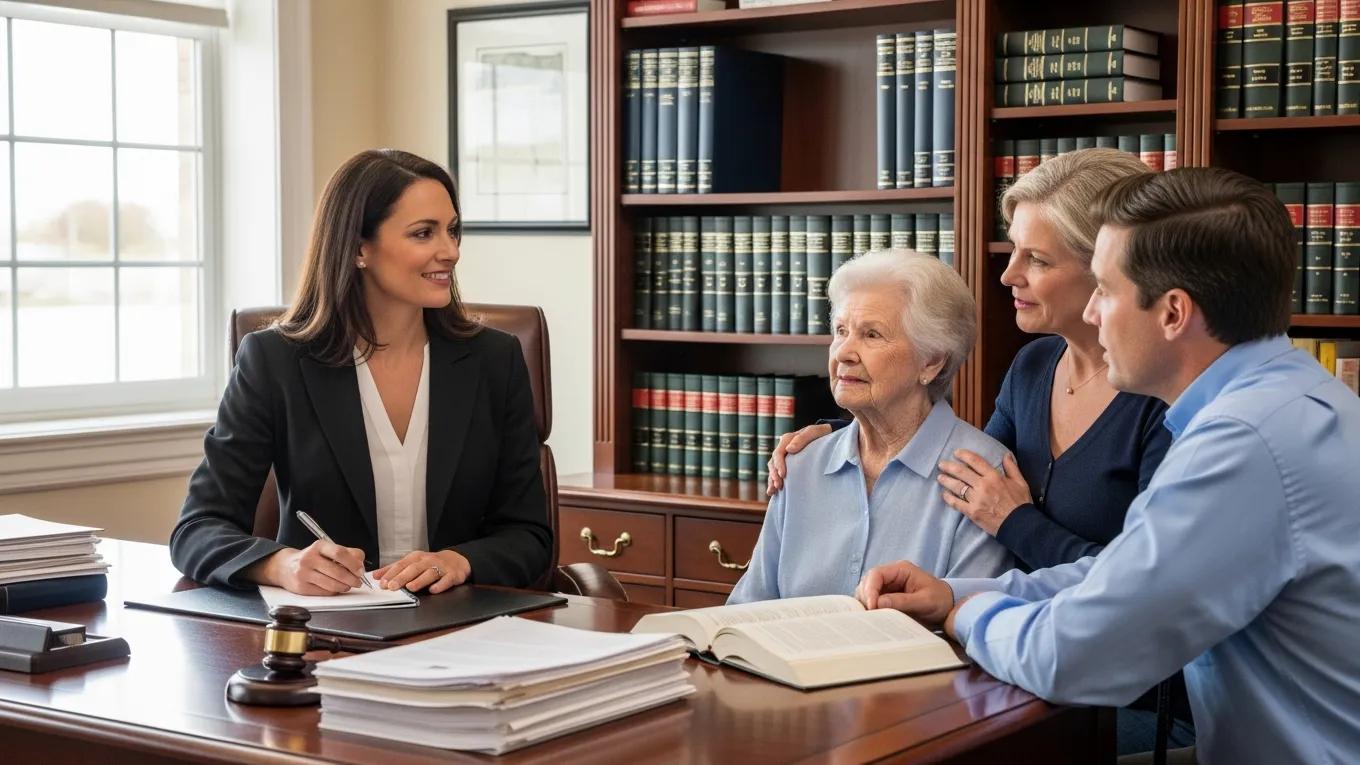
Gendlin, Liverman & Rymer | Protect Your Loved Ones: Nursing Home Abuse Signs to Know

Victims have statutory protections designed to ensure safe, adequate care. Key rights include:

  • Rights to Adequate Care: Residents are entitled to appropriate medical care and attention.
  • Protection Against Abuse and Neglect: Wisconsin law protects residents from abuse and requires reporting of suspected incidents.

Understanding these rights helps families hold facilities accountable and pursue remedies.

Which Statutes Protect Nursing Home Residents from Abuse and Neglect?

Wisconsin statutes set facility responsibilities and establish reporting procedures for suspected abuse or neglect. These provisions are central to enforcement and accountability.

How Can a Wisconsin Elder Abuse Attorney Advocate for Victims’ Compensation?

An attorney for nursing home abuse can protect victims’ legal interests and pursue compensation. Their assistance typically includes:

  • Free Case Evaluations: Many offer an initial consultation to assess the claim.
  • Types of Compensation Available: Potential recovery can include medical expenses, pain and suffering, and other damages.

Experienced counsel can shape investigations, negotiate settlements, or litigate when necessary.

How Should Families Report Suspected Nursing Home Abuse in Wisconsin?

Reporting suspected abuse is essential to protect residents. Families should:

  1. Document Evidence: Keep dated notes, photos, and medical records showing signs of abuse or neglect.
  2. Report to Authorities: Contact local law enforcement, Adult Protective Services, or the Wisconsin Department of Health Services.

Timely documentation and reporting support investigations and interventions.

What Are the Official Reporting Procedures and Agencies Involved?

Report concerns to local law enforcement or adult protective services and provide any supporting documentation. Knowing the process helps families navigate investigations.

When and Why Should You Contact a Nursing Home Neglect Attorney?

Consult an attorney when clear indicators of abuse or neglect exist, or when the facility’s response is inadequate. An attorney guides evidence gathering, reporting, and pursuit of compensation.

What Can Families Expect from a Nursing Home Abuse Lawyer at GLR Injury Attorneys?

GLR Injury Attorneys provide representation for nursing home abuse claims. Their services include:

  • Free Case Evaluations: Initial consultations to review the facts and options.
  • Legal Representation Details: Focused personal injury representation for abuse and neglect cases.

The firm assists with investigations, negotiations, and litigation when needed.

How Does the Free Case Evaluation Process Work for Nursing Home Abuse Victims?

GLR’s evaluation typically involves scheduling a consultation, reviewing case details, and outlining possible legal steps and timelines.

What Legal Representation and Support Does GLR Provide to Wisconsin Families?

GLR handles physical, emotional, and neglect cases and emphasizes compassionate advocacy. Their approach includes client support throughout administrative and litigation processes.

If you have further questions about our firm, please review our frequently asked questions.

Frequently Asked Questions

What should I do if I suspect nursing home abuse?

Act quickly: document injuries or changes, report concerns to local authorities or the Wisconsin Department of Health Services, and consult a nursing home abuse attorney to evaluate legal options and protect the resident.

Are there specific laws in Wisconsin that protect nursing home residents?

Yes. Wisconsin statutes, including the elder abuse and neglect provisions, set facility responsibilities and reporting mechanisms to protect residents and promote accountability.

How can families ensure their loved ones are safe in nursing homes?

Visit regularly, review care plans, communicate with staff, watch for warning signs, and seek legal advice when concerns arise.

What types of compensation can victims of nursing home abuse receive?

Victims may recover medical expenses, pain and suffering, emotional distress, and other damages, depending on the case facts.

What role does an elder abuse attorney play in these cases?

An attorney gathers evidence, files claims, negotiates settlements, and litigates when needed, advising families on statutory rights and potential recovery.

How can I find a qualified nursing home abuse attorney in Wisconsin?

Look for local firms with experience in elder law or personal injury, review client feedback, request referrals, and take advantage of free consultations to evaluate fit.

What are the long-term effects of nursing home abuse on victims?

Long-term effects can include chronic pain, permanent injury, declining health, anxiety, depression, or post-traumatic stress. Prompt action reduces lasting harm.

Gendlin, Liverman & Rymer
Privacy Overview

This website uses cookies so that we can provide you with the best user experience possible. Cookie information is stored in your browser and performs functions such as recognising you when you return to our website and helping our team to understand which sections of the website you find most interesting and useful.