No face-to-face meeting needed. We can send electronic documents for your signature. Hire GLR from the comfort of your own home. Click here to learn more
FREE Case Evaluation
Please fill out the form below.
FREE Case Evaluation
Fill out this form for a FREE Case Evaluation
GLR Has Recovered Millions Of Dollars For Their Clients


Your Green Bay Personal Injury Lawyer
Serving Injury Victims Throughout Green Bay Area
You need a tough smart lawyer fighting for you if you’re a victim in a car accident, truck accident or motorcycle accident. If someone you care about has suffered a traumatic brain injury or wrongful death, you want to be sure you receive the most cash and benefits possible. But personal injury law is not a “do-it-yourself” process. You need a tough, smart Green Bay personal injury attorney fighting for your rights and the compensation you deserve for your injuries.
We will build the best plan to help your case succeed and have all the resources necessary to hire special experts to help strengthen your claim. A Green Bay personal injury lawyer from our office will protect your rights and aggressively represent your interests in court. If you or a loved one has been injured by the negligence of others, please contact our Green Bay personal injury law firm today. You have rights and may be entitled to compensation for your injuries.

Our New Green Bay Office
We’re Excited To Be In The Area
Green Bay Office Location
2300 Riverside Dr.
Green Bay, WI 54301
Toll Free: 1-920-777-7777
Office Hours
*Available 24hrs a day / 7 days a week via phone or chat.
We’ll Fight For You, Contact Us Today!
Green Bay, We Can Help – We Will Come to You
Helping Those Injured in Green Bay
To make sure that you are getting the best possible settlement, someone has to manage the hundreds of details critical to supporting your case.
Are you willing to spend hours of your own valuable time locating witnesses, getting police and ambulance reports, obtaining doctors, nurses and hospital reports, getting copies of all medical bills, verifying wages lost through your employer, calculating mileage to and from your doctors, photographing your injuries, documenting damage to your vehicle, filing claims with insurance companies? The list goes on and on.
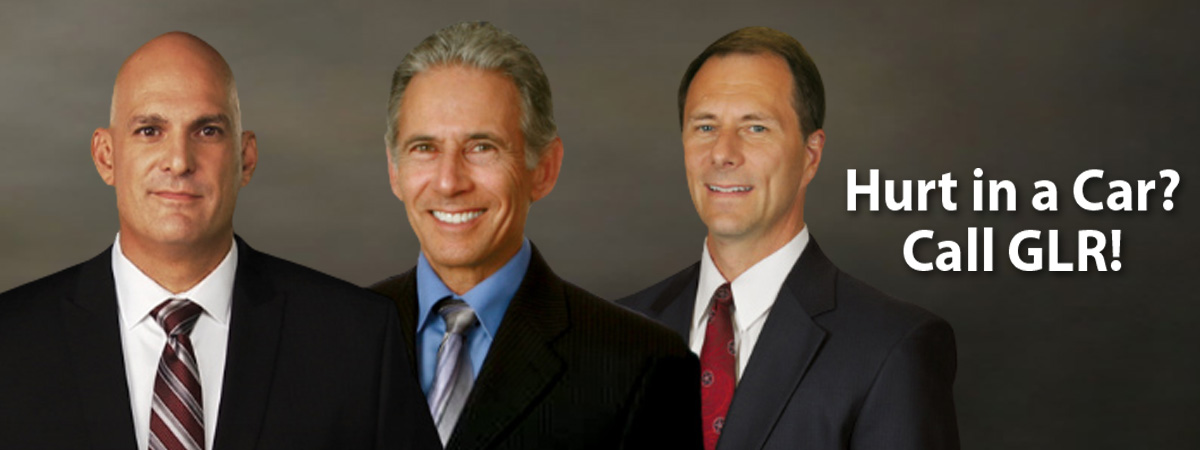
Gendlin, Liverman & Rymer (GLR) will do it for you. We’re tough, smart lawyers in the Green Bay area who do more than just file your claim and present the insurance company offer. We’re here for you every step of the way. If you are unable to come to us, we will visit you in your home or in the hospital, or now virtually if you would like. No need to meet in person, we can sign you up with our online process – keeping you save during these trying times.
We’ll explain everything to you, including your options, so you understand your case. We’ve gained a reputation with insurance companies for being aggressive and fighting for the rights of accident victims like you. Our attorneys have won verdicts as high as $7.2 million.


39 YEARS OF EXPERIENCE IN PERSONAL INJURY CASES
Our attorneys working together, fighting for your rights.
GLR Has Recover Millions Of Dollars For There Clients
Our personal injury lawyers are experienced in helping people who have been hurt in all kinds of accidents in the Green Bay area.
Our Testimonials & Distinctions


My wife and I were involved in a head-on collision when a person fell asleep and crossed the highway smashing into us. Our car was spun off the highway and flipped, eventually coming to rest on the passenger side. We were seriously hurt. For two months we tried to handle the case ourselves. We realized we needed an experienced law firm whom we could trust. We hired Gendlin, Liverman & Rymer. We are so glad we did. The insurance company made us low offers. Tim Rymer did not hesitate to file a lawsuit. He fought for us and got us a settlement we deserved. Thank you, Tim, Renee and the rest of the staff at GLR!
Tim Rymer just got me $249,500.00 for my bike accident! I’m so grateful to Tim, Jen and the rest of his staff at GLR. After I was hit on my bike by a car exiting a parking lot, I was really hurt. I was hoping to get a quick settlement and just be done with it. I contacted GLR. Tim explained to me why a quick settlement was not in my best interest. I trusted him. I am so glad I did. I highly recommend Tim and his staff for anyone who wants a firm who looks out for the client’s best interests.
I want to thank Tim Rymer and GLR for a great job they did on my and my son’s accident case. It was extremely difficult case, but they fought hard and were able to get us a settlement. Tammy, the paralegal, was always so kind and helpful. I strongly recommend them to anyone who has been hurt in an accident.
lot and stuck us. We sustained multiple fractures. My wife had been in and accident previously where Gendlin, Liverman & Rymer had helped her. They did a great job so we immediately called them again. As expected, they did another great job. I pray it won’t happen again, but we always know who to call. I highly recommend them.
I was hesitant to hire a lawyer after my accident. I thought, I;m not a guy who goes around suing others, but I was hurt because someone daydreaming blew a red light and smashed into me. I didn’t know what to do or who to trust.
I remembered Gendlin, Liverman & Rymer helped my special needs daughter with a work program through school, so I felt comfortable giving them a call. Tim, Jen and the rest of the GLR staff were pleasant and helpful throughout the process. I’m glad I hired a lawyer I could trust.
I want to take a moment and thank Gendlin, Liverman & Rymer for the great work that they did regarding my accident. I was sideswiped by a truck trying to make a left turn from the middle lane. I thought I could handle it myself. Seven months later I was still getting jerked around. I finally hired GLR. They took over and handled everything, getting me a great settlement. I wish I would have hired them immediately after the collision. I definitely recommend them.