


Comprehensive Guide to Filing a Wrongful Death Lawsuit in Racine, Wisconsin
Losing a loved one due to someone else’s negligence or intentional actions is devastating. In Racine, Wisconsin, families have the right to pursue justice through a wrongful death lawsuit. This legal process allows eligible survivors to seek compensation for their...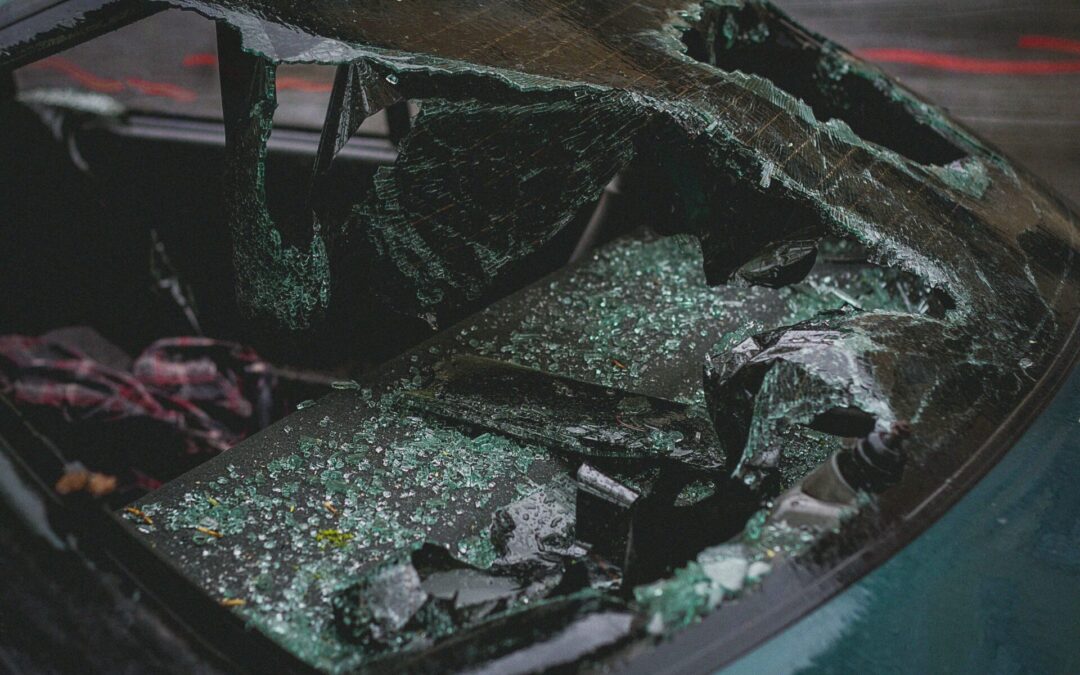
The Role of Evidence in Car Accident Claims: What You Need to Gather
Car accidents are an unfortunate reality, often resulting in insurance claims or legal disputes. In these cases, strong evidence is crucial in determining claim outcomes. Properly gathered evidence can support your version of events, prove liability, and maximize...
Do You Need a Lawyer After a Car Accident in Racine?
Car accidents are common across the U.S., and Racine, Wisconsin, is no exception. Knowing the legal implications and whether you need a lawyer after an accident is crucial for protecting your rights and securing fair compensation. Personal injury law, insurance...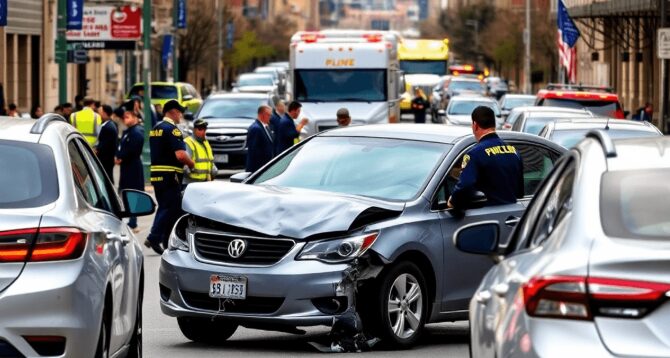
Why You Need a Car Crash Attorney in Milwaukee After an Accident
Car accidents in Milwaukee can turn your life upside down in seconds. Each year, thousands of residents face the harsh reality of collision aftermath – from devastating injuries to mounting medical bills and lost wages. The bustling streets of Milwaukee, with...