
WISCONSIN CAR ACCIDENT & PERSONAL INJURY ATTORNEYS.

Car Accident Lawyer Guide: What to Do After a Serious Auto Injury Accident

Gendlin, Liverman & Rymer | Car Accident Lawyer Guide: What to Do After a Serious Auto Injury Accident

Car Accident Lawyer Guide: What to Do After a Serious Auto Injury Accident

By Andy Liverman, Gendlin, Liverman, & Rymer

A serious auto injury accident can be disorienting. Taking immediate steps protects your health and preserves legal rights. This guide summarizes the essential actions to take after a car accident so you can address medical needs and legal options with clarity, and explains the role of a personal injury attorney if you pursue a claim.

Seek Medical Attention

Seek medical attention immediately after a serious auto injury. Some injuries are not apparent at the scene; clinicians can identify latent harm, start treatment, and create medical records that support recovery and any later claim.

What Immediate Actions Should You Take After a Serious Car Accident Injury?

  1. Check for Injuries: Assess yourself and others involved for any visible injuries.
  2. Call Emergency Services: If anyone is injured, call 911 for immediate medical assistance.
  3. Follow Medical Advice: Adhere to the treatment plan provided by healthcare professionals.

Gather Evidence

Gendlin, Liverman & Rymer | Car Accident Lawyer Guide: What to Do After a Serious Auto Injury Accident

Document the scene to preserve proof: photos of vehicle damage, visible injuries, skid marks, and the surrounding area can be crucial to establishing liability.

How to Ensure Safety and Obtain Medical Attention Promptly

  • Move to a Safe Location: If possible, move vehicles to a safe area to prevent further accidents.
  • Document the Scene: Take photos of the accident scene, vehicle damage, and any visible injuries.
  • Collect Witness Information: Gather contact details from any witnesses who can provide statements about the accident.

Contact a Personal Injury Attorney
Gendlin, Liverman & Rymer | Car Accident Lawyer Guide: What to Do After a Serious Auto Injury Accident

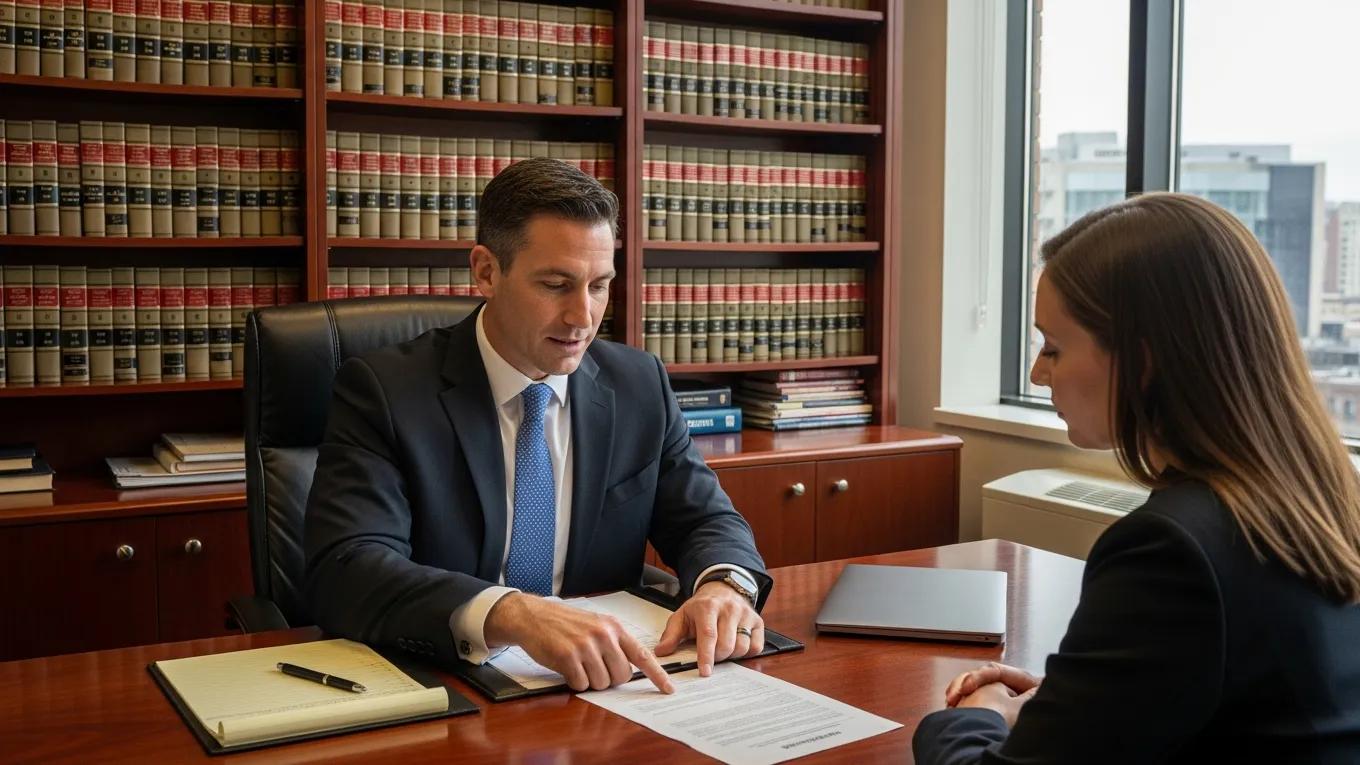
Retaining a personal injury attorney helps you navigate complex procedures and protect evidence. GLR Injury Attorneys handle serious auto injury matters and offer a free case evaluation to review your options and preserve evidence early.

Research indicates that lawyer involvement can materially affect the timeline for settling an auto accident claim.

Lawyer’s Impact on Auto Accident Claim Settlement Time

Consulting a lawyer was associated with a 10.4- and 21.0-fold increased likelihood of settling a claim at > 12–24 months and > 24 months, respectively.

Predictors of time to claim closure following a non-catastrophic injury sustained in a motor vehicle crash: a prospective cohort study, NA Elbers, 2016

What Are Your Legal Rights and How to Choose the Best Car Accident Lawyer?

  1. Understand Your Rights: Familiarize yourself with your legal rights regarding compensation for injuries and damages.
  2. Look for Experience: Choose an attorney with a proven track record in handling car accident cases.
  3. Check Client Testimonials: Research reviews and testimonials to gauge the attorney's reputation and success rate.

Report the Accident

Report the accident to the appropriate authorities when required. A police report or official record can be important evidence for any claim.

What Information Should You Collect at the Accident Scene?

  • Personal Information: Collect names, addresses, and insurance details from all parties involved.
  • Vehicle Information: Document the make, model, and license plate numbers of all vehicles.
  • Police Report: Request a copy of the police report, which can be crucial for your claim.

Understand Legal Considerations

Legal principles like negligence and the statute of limitations affect your case. Know applicable deadlines and the basic standards used to establish fault in your jurisdiction.

How to Document Your Injury and Evidence for a Car Accident Claim

  • Keep Medical Records: Maintain all medical records and bills related to your treatment.
  • Document Communications: Keep a record of all communications with insurance companies and legal representatives.
  • Track Expenses: Document any expenses incurred due to the accident, including medical costs and lost wages.

Insurance Processes

Insurance claims can be complex; clear, documented communication protects your position. Provide requested records but avoid detailed admissions of fault before consulting counsel.

Recognize that determinations of legal rights and duties frequently occur through interactions with insurance adjusters, which underscores the practical complexities involved.

Navigating Insurance Claims & Legal Rights After Accidents

In practice, the individual who determines the extent of legal rights and duties is often a low-level bureaucratic employee—such as a patrolman, a tax auditor, a building inspector, or an insurance adjuster. Such decision-makers frequently lack formal legal training and exercise discretion because of limited oversight. Although these decisions can be litigated in court, many claims are too small to justify the expense and inconvenience of a formal trial.

Insurance Claims Complaints: A Private Appeals Procedure, 1975

How Does the Compensation Recovery Process Work?

  1. File a Claim: Submit your claim to your insurance company as soon as possible.
  2. Provide Documentation: Include all necessary documentation, such as medical records and evidence of damages.
  3. Negotiate Settlement: Be prepared to negotiate with the insurance adjuster regarding the compensation amount.

Document Everything

Maintain detailed records throughout the process. Comprehensive documentation supports your claim and provides evidentiary support if disputes arise.

What Medical Records and Reports Are Crucial for Your Case?

  • Emergency Room Records: These documents provide initial assessments and treatments.
  • Follow-Up Treatment Records: Keep records of all follow-up appointments and treatments.
  • Rehabilitation Reports: If applicable, document any rehabilitation or therapy sessions.

Follow Up on Medical Care

Continue recommended care after the accident; ongoing treatment both supports recovery and substantiates your claim.

How to Gather and Preserve Evidence Effectively

  • Take Photographs: Regularly photograph your injuries and recovery progress.
  • Document Treatment Plans: Keep copies of all treatment plans and recommendations from healthcare providers.
  • Maintain a Journal: Consider keeping a journal to document your recovery process and any ongoing pain or limitations.

If you have further questions or require legal assistance, please contact us for a consultation.

Understanding your legal rights is essential after a car accident. Be informed about the types of compensation you may be entitled to seek.

For information about the firm and the assistance we provide, please visit GLR Injury Attorneys.

Frequently Asked Questions

What should I do if I feel fine after an accident?

Seek medical attention even if you feel well. Injuries such as concussions or internal trauma may be asymptomatic initially, and a clinician can document any findings that support both treatment and a later claim.

How can I find the right personal injury attorney for my case?

Evaluate an attorney’s experience with car accidents, specialization in personal injury, and success with similar claims. Read testimonials and schedule consultations to assess communication and approach.

What are the common mistakes to avoid after a car accident?

Avoid failing to seek medical attention, neglecting to document the scene, and admitting fault. Collect photographs and witness information, and do not give substantive statements to insurers without legal advice.

How long do I have to file a claim after a car accident?

Statutes of limitations vary by jurisdiction, commonly ranging one to three years from the accident date. Consult a personal injury attorney promptly to preserve your rights.

What types of compensation can I seek after an auto accident?

You may recover medical expenses, lost wages, pain and suffering, and property damage. In certain cases, claims can also include emotional distress or loss of enjoyment of life, depending on severity and impact.

How can I prepare for a consultation with a personal injury attorney?

Assemble documentation: medical records, police reports, photos, and insurance correspondence. Be ready to describe the accident, injuries, and how they affect daily life—organized information helps the attorney evaluate your claim efficiently.

Gendlin, Liverman & Rymer
Privacy Overview

This website uses cookies so that we can provide you with the best user experience possible. Cookie information is stored in your browser and performs functions such as recognising you when you return to our website and helping our team to understand which sections of the website you find most interesting and useful.