
WISCONSIN CAR ACCIDENT & PERSONAL INJURY ATTORNEYS.

Bike Safety Tips for Roads & Trails

Gendlin, Liverman & Rymer | Bike Safety Tips for Roads & Trails

Essential Bike Safety Tips for Roads & Trails: Protect Yourself and Know Your Legal Rights

Bicycle safety is a critical concern for cyclists navigating roads and trails. Understanding the essential safety tips and legal rights can significantly reduce the risk of accidents and injuries. This article provides comprehensive insights into bike safety, focusing on key Wisconsin bicycle laws, effective cycling practices, and steps to take after an accident. By being informed, cyclists can protect themselves and ensure they are aware of their legal rights in the event of an incident. We will explore the most effective safe cycling practices, the legal framework governing cyclists in Wisconsin, and how to seek legal assistance if needed.

What Are the Key Wisconsin Bicycle Laws and Cyclist Rules?

Wisconsin has specific laws and regulations designed to ensure the safety of cyclists on the road. Understanding these laws is crucial for all cyclists to avoid penalties and enhance their safety while riding.

Which Bike Helmet Regulations Must Cyclists Follow in Wisconsin?
Gendlin, Liverman & Rymer | Bike Safety Tips for Roads & Trails

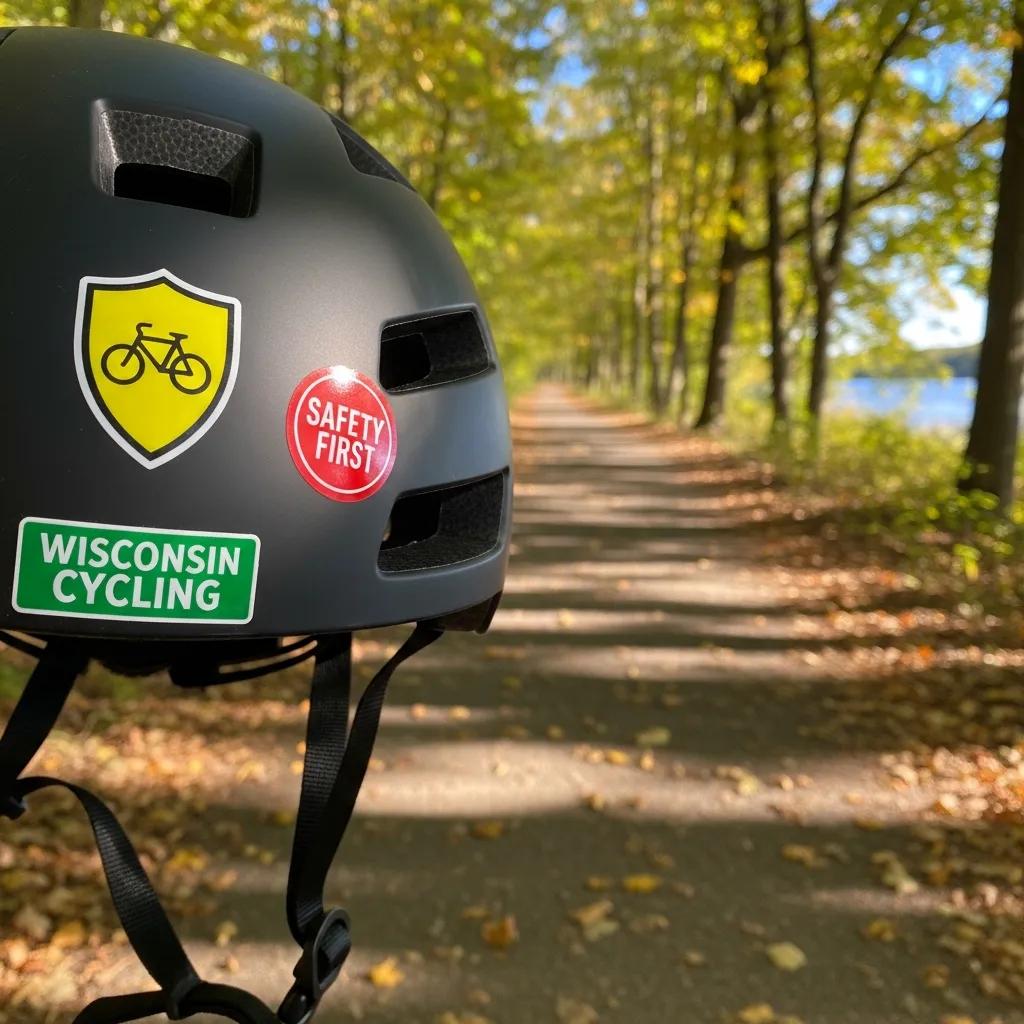
In Wisconsin, cyclists under the age of 18 are required by law to wear a helmet while riding. This regulation aims to reduce the risk of head injuries in the event of an accident. Failure to comply with this law can result in fines. Additionally, wearing a helmet is a best practice for all cyclists, as it significantly enhances safety by protecting against head trauma.

Further research delves into the effectiveness of helmet legislation and its impact on cycling safety and usage rates.

Wisconsin Helmet Laws & Cycling Safety

legislation that requires adults to wear a helmet while cycling, and legislation alone does not necessarily increase helmet

Bicycling rates and the prevalence of bicycle helmet usage in Wisconsin, TR Snedden, 2020

How Does Wisconsin Law Require Sharing the Road With Cyclists?

Wisconsin law mandates that drivers must give cyclists a minimum of three feet of clearance when passing. This law is designed to protect cyclists from being struck by vehicles. Cyclists are also required to ride as far to the right as practicable, except when making a left turn, avoiding hazards, or when the lane is too narrow for a vehicle and a bicycle to travel safely side by side. Understanding these road-sharing rules is essential for both cyclists and drivers to ensure safe coexistence on the road.

Studies have evaluated the compliance and enforcement of these crucial bicycle passing laws.

Enforcing 3-Foot Bicycle Passing Laws

compliance with laws requiring drivers to leave a minimum distance when passing a bicycles. In Knoxville the State law and local ordinance required a minimum 3 feet to pass.

Evaluating High-Visibility Enforcement of Bicycle Passing Laws, TJ Wright, 2022

What Are the Most Effective Safe Cycling Practices for Roads and Trails?

Gendlin, Liverman & Rymer | Bike Safety Tips for Roads & Trails

Implementing safe cycling practices is vital for reducing the risk of accidents. Here are some essential tips that every cyclist should follow.

Which Essential Cycling Safety Gear Should You Always Use?

Cyclists should always wear a properly fitted helmet, as it is the most effective way to prevent head injuries. Additionally, using reflective gear and lights can significantly enhance visibility, especially during low-light conditions. Other essential safety gear includes:

  • Reflective Vests: Increase visibility to drivers.
  • Bicycle Lights: Front and rear lights are crucial for night riding.
  • Gloves: Provide grip and protect hands in case of a fall.

These items not only enhance safety but also ensure compliance with local laws.

Research underscores the critical role of improved visibility in preventing road injuries for cyclists and pedestrians alike.

Improving Cyclist Visibility to Prevent Road Injuries

Pedestrians and cyclists account for nearly one in three of all road users killed and seriously injured in road traffic crashes. Late detection of other road users is one of the basic driver failures responsible for collisions. Aids to improve pedestrians and cyclist visibility have been used to avert potential collisions.

Interventions for increasing pedestrian and cyclist visibility for the prevention of death and injuries, 2006

How Can Cyclists Navigate Roads and Trails to Avoid Accidents?

Navigating roads and trails safely requires awareness and adherence to traffic rules. Cyclists should:

  • Obey Traffic Signals: Always stop at red lights and stop signs.
  • Use Hand Signals: Indicate turns and stops to alert drivers.
  • Stay Alert: Watch for pedestrians, road hazards, and other vehicles.

By following these practices, cyclists can significantly reduce their risk of accidents.

What Steps Should You Take After a Bicycle Accident in Wisconsin?

If you are involved in a bicycle accident, knowing the appropriate steps to take can help protect your rights and facilitate the claims process.

How Do You File a Bicycle Accident Claim and Seek Compensation?

After an accident, it is crucial to document the scene, gather witness information, and report the incident to the police if there is injury, significant property damage, or a dispute about fault. You should also seek medical attention for any injuries, even if they seem minor. To file a claim, you will need to collect all relevant documentation, including medical records, police reports, and any evidence of the accident. This information is essential for pursuing compensation for damages.

When Should You Contact GLR Injury Attorneys for Legal Help?

Contacting GLR Injury Attorneys is advisable if you have sustained injuries or significant property damage from a bicycle accident. They can provide guidance on your legal rights and help you navigate the claims process. Indicators that you should seek legal assistance include:

  • Serious injuries requiring medical treatment.
  • Disputes with insurance companies.
  • Unclear liability for the accident.

How Can GLR Injury Attorneys Support Injured Cyclists in Wisconsin?

GLR Injury Attorneys specialize in representing clients who have suffered injuries from bicycle accidents. Their expertise in Wisconsin injury law ensures that clients receive personalized legal support tailored to their specific needs.

What Does a Free Case Evaluation for Bicycle Injury Claims Include?

During a free case evaluation, GLR Injury Attorneys will review the details of your accident, assess the potential for a claim, and explain your legal rights. This initial consultation is an opportunity to ask questions and understand the next steps in pursuing compensation.

Why Choose GLR for Personalized Legal Representation in Bike Accident Cases?

Choosing GLR Injury Attorneys means selecting a firm with extensive experience in personal injury law. Their commitment to personalized service ensures that clients receive the attention and support they need during a challenging time. Client testimonials highlight their dedication to achieving favorable outcomes for injured cyclists.

What Are the Latest Wisconsin Bicycle Accident Statistics and Safety Trends?

Understanding the current landscape of bicycle safety in Wisconsin can help inform cyclists about potential risks and trends.

How Have Bicycle Accident Rates Changed from 2023 to 2025?

As of mid-2024, comprehensive statewide statistics for bicycle accident rates through 2025 are not yet available. However, data from recent years show fluctuations in bicycle accidents, with some increases attributed to higher cycling participation and traffic congestion. It is important to consult official Wisconsin Department of Transportation sources for the most current and accurate statistics.

What Common Causes Lead to Bike Accidents on Wisconsin Roads and Trails?

Common causes of bicycle accidents in Wisconsin include:

  • Driver Negligence: Distracted or reckless driving significantly increases the risk of accidents.
  • Poor Road Conditions: Potholes, debris, and inadequate signage can create hazards for cyclists.
  • Inadequate Visibility: Riding without proper lights or reflective gear can lead to accidents, especially at night.

By understanding these causes, cyclists can take proactive measures to enhance their safety on the road.

Gendlin, Liverman & Rymer
Privacy Overview

This website uses cookies so that we can provide you with the best user experience possible. Cookie information is stored in your browser and performs functions such as recognising you when you return to our website and helping our team to understand which sections of the website you find most interesting and useful.