WISCONSIN CAR ACCIDENT & PERSONAL INJURY ATTORNEYS.

Truck vs. Car Accidents: Why Semi-Truck Crash Claims Are Far More Complex
Gendlin, Liverman & Rymer | Truck vs. Car Accidents: Why Semi-Truck Crash Claims Are Far More Complex

Truck vs. Car Accidents: Why Semi-Truck Crash Claims Are Far More Complex

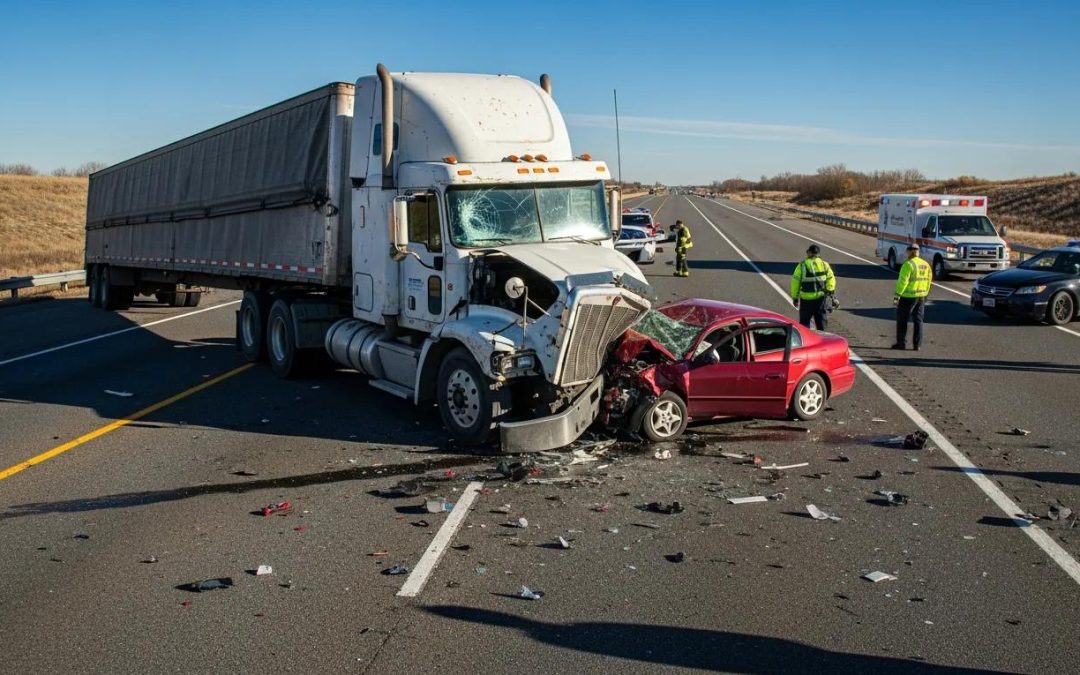
Semi-truck collisions with passenger vehicles present distinct legal and factual challenges that complicate claims. This article explains how semi-truck claims differ from auto claims, why specialist legal representation matters, and which factors—multi-party liability, regulatory compliance, and investigative needs—influence liability and the claims process.

Role of a Semi-Truck Accident Lawyer

A semi-truck accident lawyer guides clients through the specialized investigation and negotiation these cases require. They identify all potentially liable parties, gather technical evidence, and work with experts to pursue appropriate compensation while managing insurer interactions.

Complexities of Semi-Truck Crash Claims Compared to Car Accidents

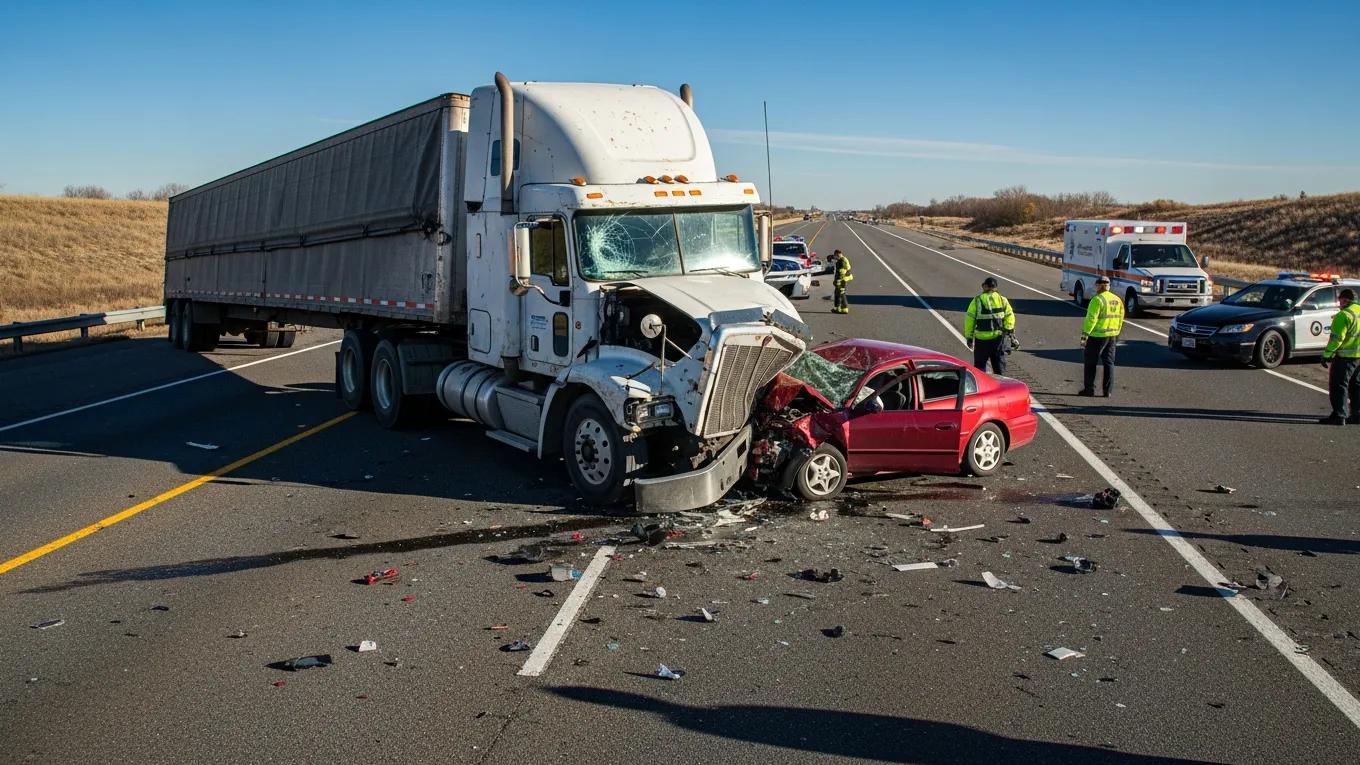
Semi-truck claims are more intricate than typical car claims because commercial vehicles can expose multiple liable parties, are subject to federal safety rules, and often cause more severe injuries that increase damages and investigative needs.

What Makes Semi-Truck Crash Claims Legally More Complex Than Car Accidents?

Several legal factors distinguish semi-truck claims from ordinary car accident claims.

Multi-Party Liability

Gendlin, Liverman & Rymer | Truck vs. Car Accidents: Why Semi-Truck Crash Claims Are Far More Complex

Truck collisions often involve multiple responsible entities—the driver, the employer, and third-party service providers or manufacturers. Identifying each liable party is critical because it affects recovery sources and the claim’s value.

Regulatory Compliance

Federal and industry regulations—such as hours-of-service rules and maintenance requirements—govern commercial operations. Evidence of non-compliance can be decisive in assigning fault.

Complex Investigations

Investigations commonly require driver logs, maintenance records, official reports, accident reconstruction, and expert testimony to establish causation and fault.

Comparative Negligence

Where comparative negligence applies, a claimant’s recovery may be reduced proportionally to their percentage of fault, so careful legal analysis is necessary to protect damages.

How Do Multiple Liable Parties Affect Semi-Truck Accident Claims?

Multiple defendants increase procedural complexity and can lead to inter-party disputes and prolonged negotiations. An experienced attorney coordinates claims and discovery across all relevant parties to maximize recovery.

What Federal Regulations Increase Complexity in Truck vs Car Accidents?
Gendlin, Liverman & Rymer | Truck vs. Car Accidents: Why Semi-Truck Crash Claims Are Far More Complex

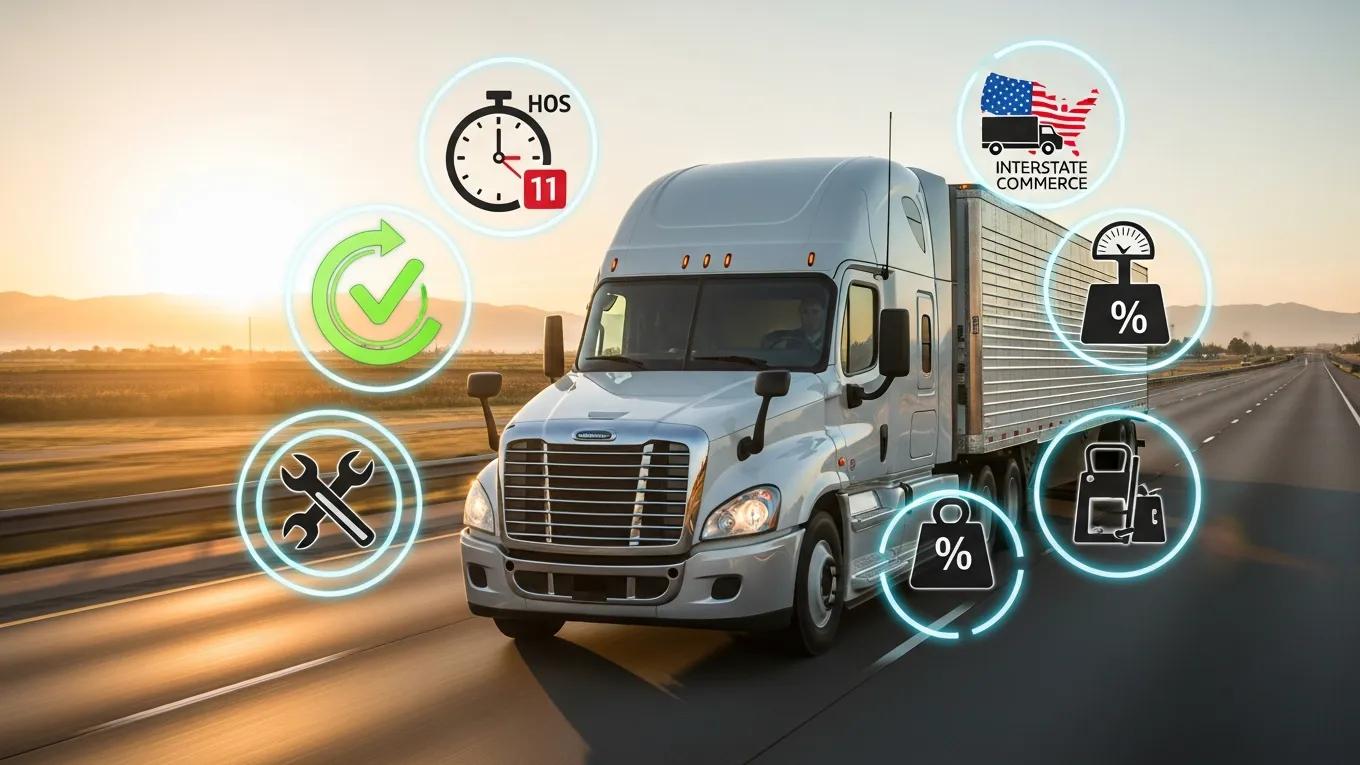
Federal regulations set operational and safety standards that directly affect liability analyses in collisions.

  • Hours-of-Service Limits: Rules that limit driving time and require rest periods to reduce fatigue-related risk.
  • Maintenance and Inspections: Carriers must perform regular maintenance and inspections; failures can be evidence of negligence.

Understanding these requirements helps claimants and counsel assess liability and identify probative evidence.

How Is Liability Determined Differently in Semi-Truck Versus Car Accidents?

Liability is influenced by additional actors and regulatory standards that do not typically apply to private vehicles.

Who Can Be Held Responsible in a Semi-Truck Crash?

Potentially responsible parties include:

  • Truck Driver: For negligent driving or regulatory violations.
  • Trucking Company: Vicarious liability and independent claims for negligent hiring, training, or supervision.
  • Parts Manufacturers: When mechanical failures or defective components contribute to the crash.

How Do Federal Motor Carrier Safety Regulations Influence Liability?

FMCSA regulations establish minimum safety standards; proven breaches—such as inadequate maintenance—can be strong evidence of fault and expose carriers to liability.

What Is the Truck Accident Claim Process for Semi-Truck Crashes Compared to Car Accidents?

The procedural steps mirror those in car claims but typically require more extensive evidence collection and coordination with experts and multiple insurers.

What Steps Are Involved in Filing a Semi-Truck Accident Claim?

Common steps include:

  1. Consult with an Attorney: Retain counsel experienced in commercial vehicle litigation to assess the claim and preserve evidence.
  2. Gather Evidence: Collect accident reports, witness statements, driver logs, and maintenance records.
  3. File a Police Report: An official report documents the incident and is often required by insurers and courts.

How Does a Free Case Evaluation Assist in Navigating Complex Claims?

A free evaluation lets an attorney review facts, identify defendants, estimate damages, and outline a litigation or negotiation plan so the injured party understands options and next steps.

How Does Injury Compensation Different in Semi-Truck Accidents Versus Car Accidents?

Compensation is often higher in semi-truck cases because injuries are more severe and the scope of recoverable damages is broader, frequently including substantial medical costs, lost income, and long-term care needs.

Why Is Compensation Typically Higher in Semi-Truck Crash Claims?

Factors that increase recoveries include:

  • Severity of Injuries: Greater impact forces lead to more serious harm and higher medical expenses.
  • Complexity of Liability: Multiple liable parties can expand recovery avenues.
  • Higher Insurance Policy Limits: Commercial carriers usually carry larger liability policies than private drivers.

Recognizing these dynamics helps counsel accurately value and prosecute claims.

If you have further questions, you can ask us directly.

For immediate assistance and to discuss your case, consider contacting us through our contact page.

Frequently Asked Questions

What should I do immediately after a semi-truck accident?

Ensure safety, call emergency services, and seek medical care. Document the scene with photos, collect witness and driver contact information, and preserve any records. Contact a semi-truck accident lawyer promptly to protect evidence.

How long do I have to file a claim after a semi-truck accident?

Statutes of limitations vary by state, commonly one to three years. Because evidence can deteriorate and witnesses may become unavailable, act promptly; an attorney can identify the applicable deadline.

What types of compensation can I receive from a semi-truck accident claim?

Recoverable damages may include medical expenses, lost wages, pain and suffering, rehabilitation costs, and, in extreme cases, punitive damages. The total depends on injury severity and case facts.

Can I still file a claim if I was partially at fault for the accident?

Yes. Many jurisdictions allow recovery under comparative negligence, though damages may be reduced by the claimant’s percentage of fault. An experienced lawyer can help mitigate fault allocations.

What role does insurance play in semi-truck accident claims?

Insurance is central: drivers and carriers typically have commercial liability coverage with higher limits than personal auto policies, and multiple insurers may be involved. Counsel assists in negotiating with insurers to pursue full compensation.

How can I choose the right lawyer for my semi-truck accident case?

Choose an attorney with proven experience in truck accident litigation, a record of settlements or verdicts, client references, and a clear communication approach. A strong lawyer will explain strategy and the resources available to pursue complex claims.

Gendlin, Liverman & Rymer
Privacy Overview

This website uses cookies so that we can provide you with the best user experience possible. Cookie information is stored in your browser and performs functions such as recognising you when you return to our website and helping our team to understand which sections of the website you find most interesting and useful.