

Prevent Car Accidents: Safe Driving Habits
Prevent Car Accidents: Essential Safe Driving Habits and Road Safety Tips for Wisconsin Drivers
Road Accident Causes & Traffic Safety Strategies
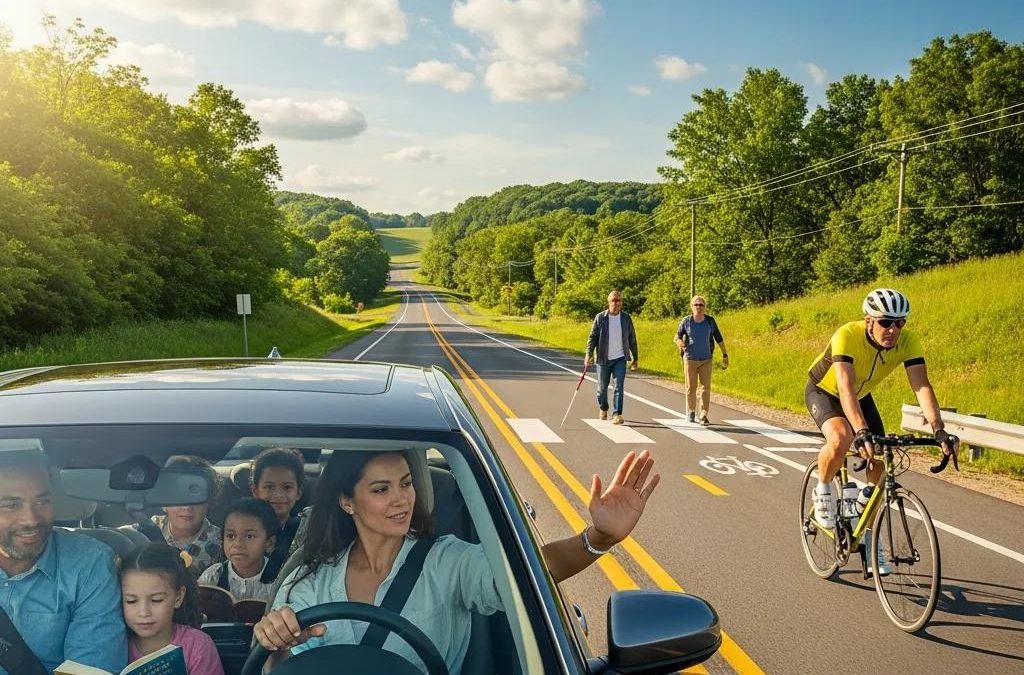
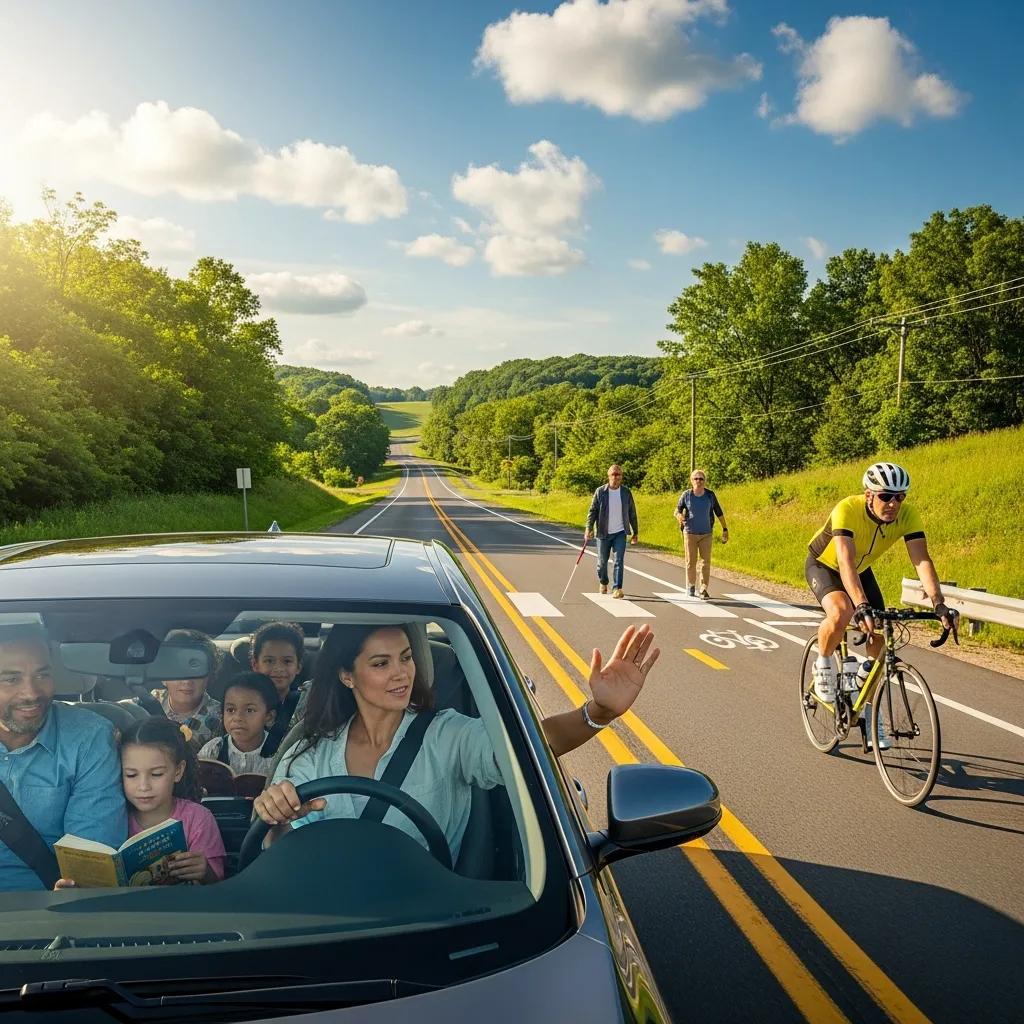
The objective of the study was to identify the most frequent, constantly occurring causes of road accidents, as well as outline actions constituting a basis for the strategies and programmes aiming at improving traffic safety on local and global levels. Comparative analysis of literature concerning road safety was performed, confirming that although road accidents had a varied and frequently complex background, their causes have changed only to a small degree over the years. The causes include: lack of control and enforcement concerning implementation of traffic regulation (primarily driving at excessive speed, driving under the influence of alcohol, and not respecting the rights of other road users (mainly pedestrians and cyclists), lack of appropriate infrastructure and unroadworthy vehicles.
Road accident rates: strategies and programmes for improving road traffic safety, K Goniewicz, 2016
What Are the Most Effective Defensive Driving Techniques to Prevent Car Accidents?
How Does Maintaining a Safe Following Distance Reduce Collision Risks?
Why Is Checking Blind Spots Crucial for Accident Prevention?
How Can Drivers Avoid Distracted Driving and Comply with Wisconsin Laws?
What Are Wisconsin's Distracted Driving Laws and Penalties?
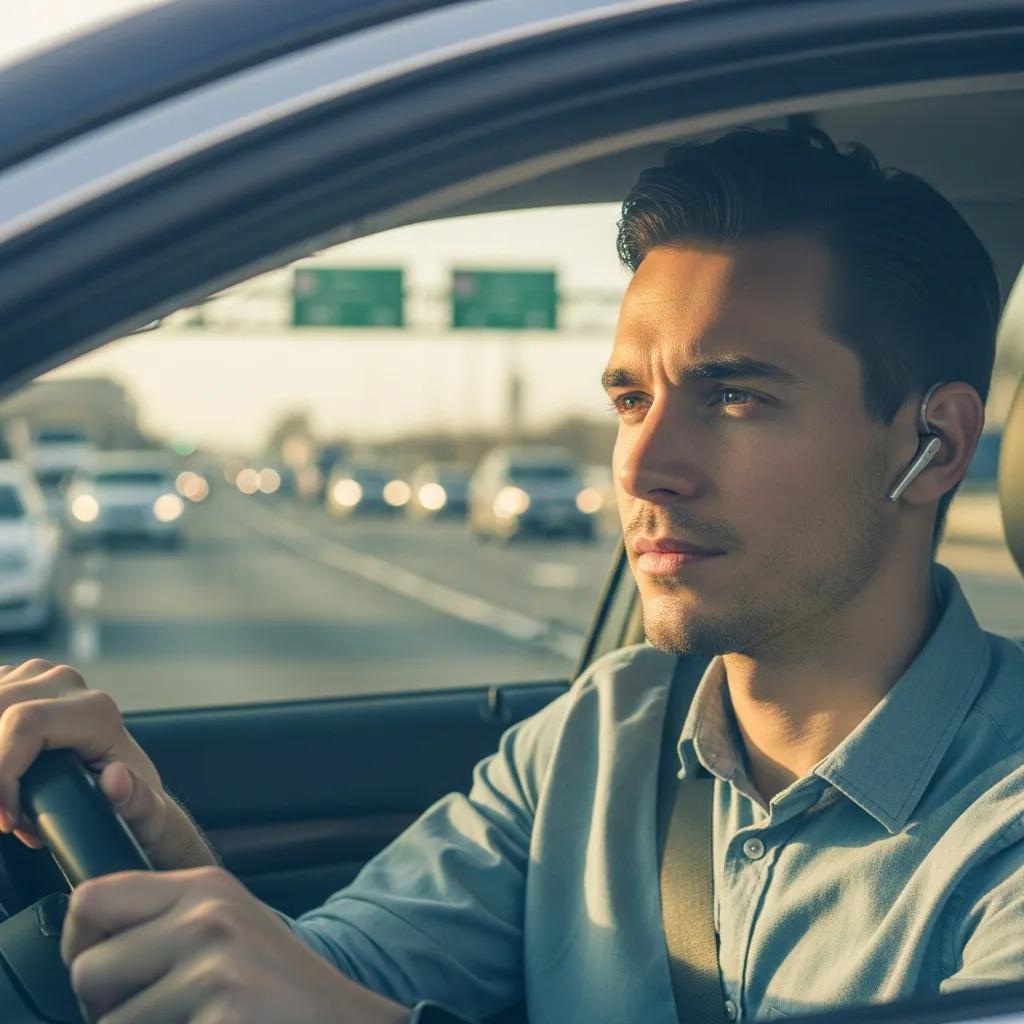
What Strategies Help Drivers Stay Focused and Avoid Cell Phone Distractions?
- Use Hands-Free Devices: This allows for communication without taking hands off the wheel.
- Plan Ahead: Set GPS directions before starting to drive to avoid fumbling with devices while on the road.
- Limit Passengers: Fewer passengers can reduce distractions and help maintain focus.
What Steps Can Be Taken to Prevent Drunk Driving in Wisconsin?
What Are Wisconsin's OWI Laws and Their Consequences?
How Can Planning Safe Rides Home Reduce Drunk Driving Incidents?
- Designated Drivers: Assign a sober driver before going out.
- Rideshare Services: Utilize services like Uber or Lyft to ensure safe transportation.
- Public Transportation: Familiarize yourself with local transit options for safe travel.
How Does Speed Management and Adapting to Road Conditions Enhance Driving Safety?
Why Is Obeying Speed Limits Vital for Accident Prevention in Wisconsin?
What Are Safe Driving Practices for Wisconsin's Winter Weather Conditions?
- Reducing Speed: Slower speeds allow for better control on icy roads.
- Increasing Following Distance: More space between vehicles is necessary to account for longer stopping distances.
- Using Headlights: Visibility is often reduced in winter conditions, making headlights essential.
What Vehicle and Passenger Safety Measures Are Essential to Prevent Injuries?
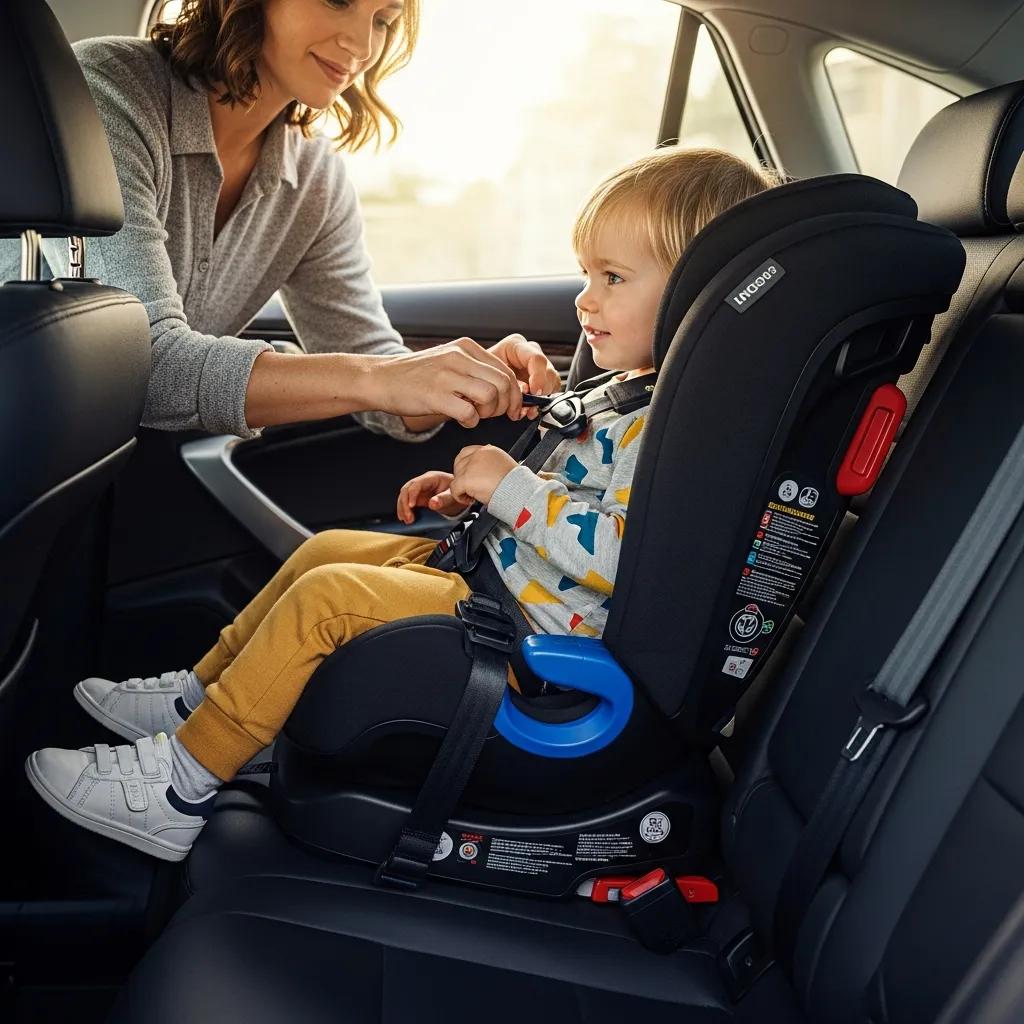
How Does Proper Seatbelt Use Reduce Injury Severity in Wisconsin Crashes?
What Are the Guidelines for Child Car Seat Safety in Wisconsin?
- Age-Appropriate Seats: Use rear-facing seats for infants until at least age 2 or until they reach the maximum height and weight allowed by the car seat manufacturer, then transition to forward-facing seats.
- Proper Installation: Ensure car seats are installed correctly according to manufacturer instructions.
- Regular Checks: Periodically check that the seat is secure and that the child is properly buckled.
What Comprehensive Car Accident Prevention Checklist Should Wisconsin Drivers Follow?
Which Common Accident Types Can Be Prevented by Following Safe Driving Habits?
- Rear-End Collisions: Maintaining a safe following distance can prevent these accidents.
- Side-Impact Crashes: Checking blind spots before changing lanes can reduce the risk.
- Single-Vehicle Accidents: Adapting speed to road conditions can help avoid losing control.
How Can Drivers Regularly Maintain Their Vehicles to Enhance Safety?
- Routine Inspections: Regularly check brakes, tires, and lights to ensure they are functioning properly.
- Oil Changes: Keep the engine running smoothly with regular oil changes.
- Fluid Checks: Ensure all fluids are at appropriate levels to prevent mechanical failures.
| Safety Measure | Description | Importance |
|---|---|---|
| Seatbelt Use | Ensures occupants are secured during a crash | Reduces injury severity |
| Child Car Seats | Provides safety for young passengers | Essential for child protection |
| Vehicle Maintenance | Regular checks and repairs | Prevents mechanical failures |