

How to Collect Evidence for Your Injury Claim
How to Gather Essential Evidence for Your Personal Injury Claim
Collecting evidence for an injury claim is a critical step that can significantly influence the outcome of your case. This comprehensive guide will walk you through the essential types of evidence needed, effective gathering techniques, and the importance of early legal involvement. Understanding how to document injuries and collect supporting evidence can empower you to build a strong case. Many individuals face challenges in proving their claims due to insufficient evidence, which can lead to unfavorable outcomes. By following the steps outlined in this article, you can enhance your chances of securing the compensation you deserve. We will cover the types of evidence required, best practices for gathering evidence, the role of expert testimony, and common mistakes to avoid.
What Types of Evidence Are Needed for a Personal Injury Claim?
To successfully pursue a personal injury claim, it is essential to gather various types of evidence that substantiate your case. The primary categories of evidence include medical records, police reports, and witness statements. Each type plays a crucial role in establishing the facts surrounding your injury and the circumstances that led to it.
Which Medical Records Prove Injury Severity and Causation?
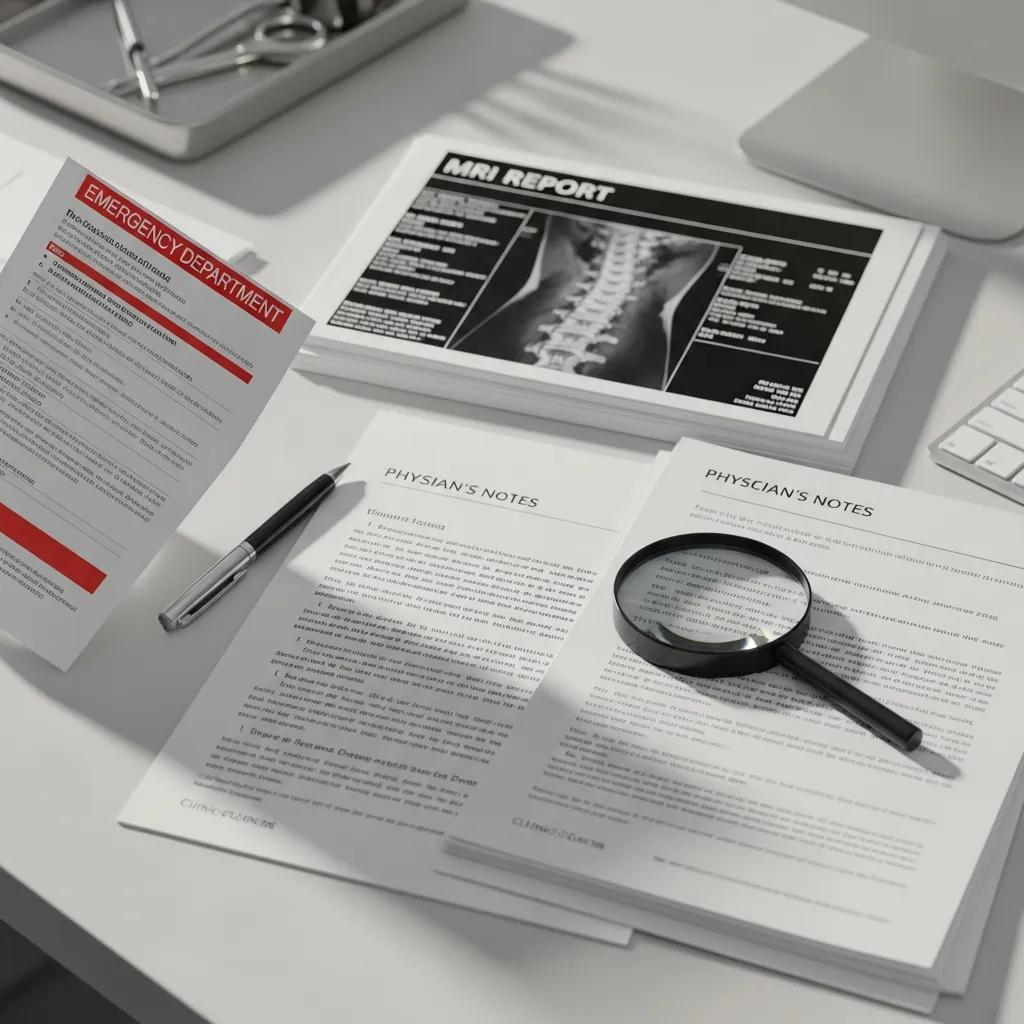
Medical records are vital in demonstrating the severity of your injuries and establishing a direct link between the accident and your condition. Key documents include:
- Emergency Room Records: These provide immediate details of your injuries following the accident.
- Treatment Records: Ongoing treatment documentation shows the progression of your recovery.
- Diagnostic Imaging: X-rays, MRIs, and CT scans visually confirm the extent of injuries.
GLR Injury Attorneys can assist in obtaining these records to ensure they are comprehensive and accurately reflect your medical history.
How Do Police and Incident Reports Support Your Claim?
Police reports and incident reports are crucial for substantiating your claim. They typically contain:
- Accident Details: Information about the time, location, and circumstances of the accident.
- Witness Statements: Accounts from individuals who observed the incident.
- Officer Observations: Insights from law enforcement regarding the scene and any violations of law.
Obtaining these reports is essential, as they carry significant legal weight and can help establish liability.
How Can You Effectively Gather Evidence After an Accident?
Gathering evidence promptly after an accident is critical to building a strong case. Effective documentation can significantly impact the outcome of your claim.
What Are Best Practices for Documenting Injuries and Accident Scenes?
When documenting injuries and the accident scene, consider the following best practices:
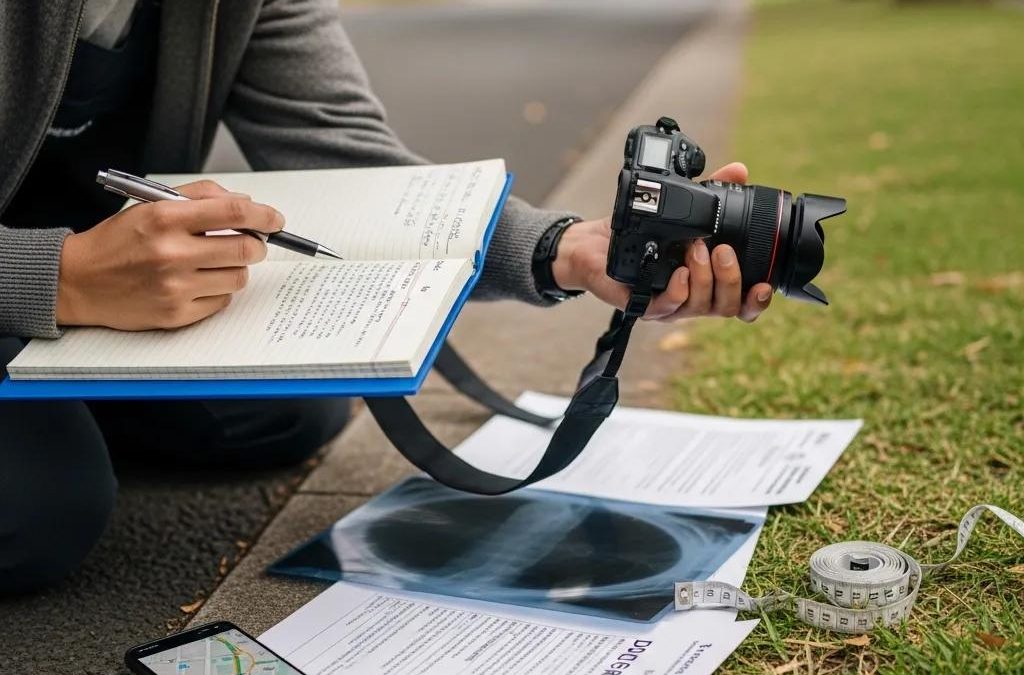
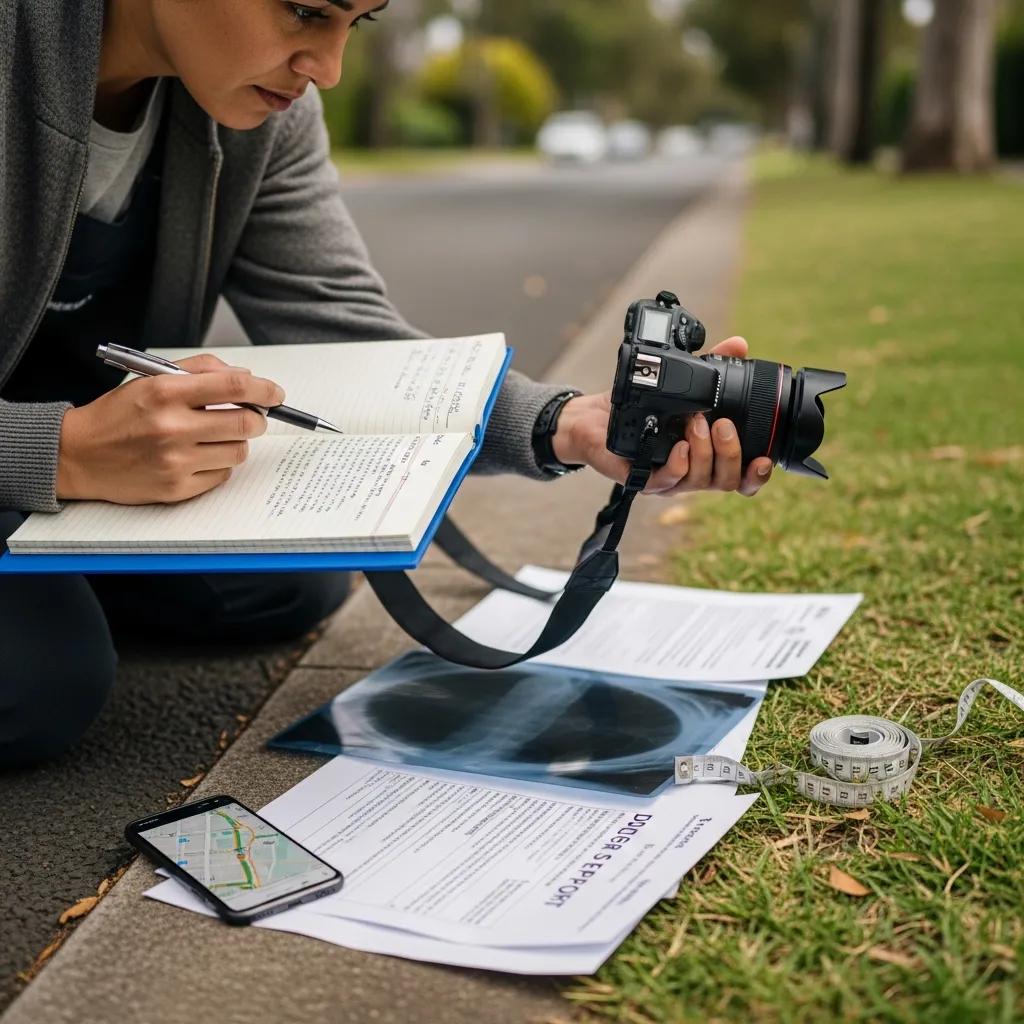
- Take Photographs: Capture images of your injuries, the accident scene, and any relevant property damage.
- Write Detailed Accounts: Document your recollection of the events as soon as possible while the details are fresh.
- Collect Contact Information: Gather names and contact details of witnesses who can support your claim.
Timely and thorough documentation can provide compelling evidence to support your case.
Further guidelines emphasize the importance of systematic data collection for motor vehicle accidents, ensuring all relevant information is captured for various stakeholders.
Guidelines for Motor Vehicle Accident Data Collection
ABSTRACT: Simple techniques are presented for gathering and preserving motor vehicle accident data. The data are selected to meet the minimum information requirements of police, judicial, industrial, governmental, safety, and insurance interests. It is recognized that the information needs for accident investigators are as broad as the range of accident types and severities. The paper is structured so that the investigator may use it as a guide to selectively choose tasks according to their importance in documenting and reconstructing the accident and the availability of time and technical resources. A list of priorities for the data collection process which maximizes the efficiency and resources of the investigator is outlined and a cue card which may be used as an on-scene aid is provided.
Minimum Guidelines for Efficiently Acquiring or Preserving Basic Information in a Motor Vehicle Accident, 1988
How to Collect and Preserve Witness Statements for Your Case?

Witness statements can be invaluable in corroborating your account of the accident. To effectively gather and preserve these statements:
- Ask Open-Ended Questions: Encourage witnesses to share their observations in detail.
- Record Statements: With permission, audio or video record the statements for accuracy.
- Document Contact Information: Ensure you have reliable contact details for follow-up.
Preserving these statements is crucial, as memories can fade over time.
Beyond direct witness accounts, emergency call recordings and initial statements by first responders can also serve as critical evidence in an investigation.
Collecting Eyewitness Statements & 911 Recordings
In many cases there might be 911 (emergency call) recordings or initial witness statements by first responders that can prove useful to an investigation
Policy and procedure recommendations for the collection and preservation of eyewitness identification evidence., GL Wells, 2020
What Financial and Physical Evidence Strengthens Your Injury Claim?
Financial and physical evidence can significantly bolster your injury claim. This evidence helps quantify your losses and supports your narrative of the accident’s impact on your life.
How to Document Lost Wages and Other Economic Damages?
To effectively document lost wages and economic damages, follow these steps:
- Keep Pay Stubs: Maintain records of your earnings before and after the accident.
- Obtain Employer Statements: Request letters from your employer detailing your absence and lost income.
- Document Additional Expenses: Keep receipts for any out-of-pocket expenses related to your injury.
Accurate documentation of these financial losses is essential for calculating your total damages.
What Physical Evidence Should Be Preserved and How?
Preserving physical evidence can strengthen your claim. Important types of physical evidence include:
- Clothing: Retain the clothing worn during the accident, especially if it was damaged.
- Vehicle Damage: Document any damage to vehicles involved in the accident.
- Accident Scene Evidence: If possible, preserve any physical evidence from the scene, such as debris or skid marks.
Proper preservation techniques, such as storing items in a safe place, can prevent loss of critical evidence.
The ability to secure and properly collect physical evidence from an accident scene is paramount for a thorough investigation.
Securing Accident Scenes & Collecting Physical Evidence
recognizing all relevant evidence. The ability to secure the scene, recognize and properly collect physical evidence is
Securing and preserving the scene of an electrical accident, 2001
How Does Expert Testimony Enhance Evidence in Personal Injury Cases?
Expert testimony can provide additional credibility to your case by offering specialized knowledge that supports your claims. This can be particularly important in complex cases.
When Are Medical and Accident Reconstruction Experts Needed?
Medical experts can explain the nature and extent of your injuries, while accident reconstruction experts can analyze the circumstances of the accident. Their insights can clarify:
- Injury Mechanisms: How the accident caused your injuries.
- Liability Factors: Factors contributing to the accident’s occurrence.
Engaging these experts can significantly enhance the strength of your evidence.
How Do Experts Corroborate Negligence and Damages?
Experts can corroborate claims of negligence by providing professional opinions on:
- Standards of Care: What a reasonable person would have done in similar circumstances.
- Causation: How the defendant’s actions directly led to your injuries.
Their testimony can be pivotal in establishing liability and justifying your claims for damages.
Why Is Early Attorney Involvement Crucial in Evidence Collection?
Involving an attorney early in the process can greatly improve your evidence collection efforts. Legal guidance ensures that you follow the correct procedures and avoid common pitfalls.
How Does Legal Guidance Improve Evidence Gathering?
An attorney can help you navigate the complexities of evidence collection by:
- Providing Strategic Advice: Offering insights on what evidence is most critical for your case.
- Ensuring Compliance: Making sure that all evidence is collected in accordance with legal standards.
This proactive approach can prevent issues that may arise later in your case.
What Is the Role of GLR Injury Attorneys in Managing Evidence?
GLR Injury Attorneys specialize in personal injury cases and can assist you in managing evidence effectively. Their services include:
- Case Evaluation: Offering free case evaluations to assess the strength of your claim.
- Evidence Management: Guiding you through the evidence collection process to ensure nothing is overlooked.
With over 110 years of combined experience, GLR Injury Attorneys are dedicated to aggressively representing accident victims across Wisconsin.
What Common Mistakes Should You Avoid When Collecting Evidence?
Avoiding common mistakes in evidence collection is crucial for the success of your claim. Many individuals inadvertently undermine their cases through simple oversights.
How Can Delays and Improper Documentation Harm Your Claim?
Delays in collecting evidence can lead to:
- Lost Opportunities: Witnesses may forget details or become unavailable.
- Inaccurate Records: Delayed documentation can result in incomplete or inaccurate accounts.
Timely action is essential to preserve the integrity of your evidence.
What Are Tips for Maintaining Evidence Integrity and Chain of Custody?
To maintain evidence integrity, consider these tips:
- Document Everything: Keep detailed records of how and when evidence was collected.
- Store Evidence Securely: Use appropriate storage methods to prevent damage or loss.
- Follow Legal Protocols: Ensure that all evidence is collected and handled according to legal standards.
Maintaining a clear chain of custody is vital for the admissibility of evidence in court.
| Evidence Type | Description | Importance |
|---|---|---|
| Medical Records | Documentation of injuries and treatment | Establishes causation and severity |
| Police Reports | Official accounts of the accident | Provides legal context and witness accounts |
| Witness Statements | Testimonies from individuals present | Corroborates your version of events |
In summary, collecting evidence for your injury claim involves understanding the types of evidence required, employing effective gathering techniques, and recognizing the importance of early legal involvement. By following the steps outlined in this guide, you can enhance your chances of building a strong case and securing the compensation you deserve.