


Discovery in Personal Injury Lawsuits

Navigating the Discovery Process in Personal Injury Lawsuits
The discovery process in personal injury lawsuits is a critical phase that allows both parties to gather evidence and prepare their cases for trial. This comprehensive guide will explore the intricacies of the discovery process, including its significance, methods, and the role of legal representation. Understanding this process is essential for anyone involved in a personal injury case, as it directly impacts the outcome of the lawsuit. Many individuals face challenges in navigating the complexities of legal evidence and pre-trial procedures, which can lead to unfavorable results. This article will provide insights into the various methods of discovery, the importance of evidence exchange, and how attorneys can effectively manage the process. We will cover key topics such as interrogatories, depositions, requests for production, and independent medical examinations, ensuring you have a thorough understanding of the discovery process in personal injury lawsuits.
What Is the Discovery Process in Personal Injury Lawsuits?
The discovery process in personal injury lawsuits is a formal procedure that allows both parties to obtain information and evidence from each other before trial. This phase is crucial for building a strong case, as it facilitates the exchange of relevant documents, testimonies, and other forms of evidence. The primary goal of discovery is to ensure that both sides have access to the same information, which promotes fairness and transparency in the legal process. By understanding the discovery process, individuals can better prepare for their cases and increase their chances of securing compensation for their injuries.
Following the discovery process, legal representation becomes vital. GLR Injury Attorneys, a Wisconsin-based law firm specializing in personal injury cases, emphasizes a “No Win, No Fee” policy, ensuring clients can pursue their claims without financial risk. With over 30 years of experience, they provide free case evaluations to help clients navigate the complexities of personal injury lawsuits.
How Does Discovery Facilitate Evidence Exchange and Case Preparation?
Discovery facilitates evidence exchange by allowing both parties to request and provide information relevant to the case. This process includes various methods, such as written interrogatories, depositions, and requests for production of documents. Each method serves a specific purpose in gathering evidence, which is essential for case preparation. For instance, interrogatories allow parties to ask specific questions that must be answered under oath, while depositions enable attorneys to take sworn testimony from witnesses.
The importance of evidence exchange cannot be overstated, as it helps both sides understand the strengths and weaknesses of their cases. This knowledge allows for better case strategy and negotiation, ultimately leading to more informed decisions regarding settlement or trial.
Why Is Discovery Critical for Personal Injury Compensation?
Discovery is critical for personal injury compensation because it directly impacts the ability to prove negligence and secure a favorable outcome. The evidence gathered during this phase can significantly influence the amount of compensation awarded to the injured party. For example, medical records, witness statements, and expert testimonies can all play a crucial role in establishing liability and demonstrating the extent of damages.
Legal precedents also highlight the importance of discovery in personal injury cases. Courts have consistently ruled that thorough discovery is essential for ensuring that all relevant evidence is considered, which can ultimately affect the outcome of the case. By understanding the critical role of discovery, individuals can better appreciate its significance in the pursuit of compensation for their injuries.
What Are the Key Methods of Discovery in Personal Injury Cases?

There are several key methods of discovery used in personal injury cases, each designed to gather specific types of evidence. Understanding these methods is essential for effectively navigating the discovery process.
- Interrogatories: These are written questions that one party sends to another, requiring a written response under oath. Interrogatories are often used to gather basic information about the other party’s claims and defenses.
- Depositions: A deposition involves taking sworn testimony from a witness or party involved in the case. This method allows attorneys to ask questions in real-time and assess the credibility of the witness.
- Requests for Production: This method involves requesting specific documents or evidence from the opposing party. It can include medical records, accident reports, and other relevant materials.
GLR Injury Attorneys utilize these methods to ensure that their clients have the best chance of success in their personal injury claims. Their experience in handling various discovery methods allows them to effectively gather and present evidence in support of their clients’ cases.
What Are Interrogatories and How Are They Used in Injury Claims?
Interrogatories are a formal set of written questions that one party sends to another in a lawsuit. In personal injury cases, they are used to gather information about the facts of the case, the parties involved, and the evidence that will be presented at trial. Each interrogatory must be answered under oath, making it a powerful tool for obtaining truthful information.
Typical questions in interrogatories may include inquiries about the details of the accident, the nature of the injuries sustained, and any prior medical history relevant to the case. By carefully crafting interrogatories, attorneys can extract valuable information that can shape their case strategy.
How Do Depositions Help Gather Testimony in Personal Injury Lawsuits?
Depositions are a critical component of the discovery process, allowing attorneys to obtain sworn testimony from witnesses and parties involved in the case. During a deposition, an attorney asks questions, and the witness provides answers while under oath. This process is recorded and can be used as evidence in court.
Depositions serve several purposes in personal injury lawsuits. They help attorneys assess the credibility of witnesses, clarify facts, and gather detailed information about the case. Additionally, depositions can reveal inconsistencies in testimony, which may be crucial for establishing liability.
How Are Requests for Production and Admission Utilized in Personal Injury Discovery?
Requests for production and admission are essential tools in the discovery process, allowing parties to obtain specific documents and evidence relevant to the case.
- Requests for Production: This method involves asking the opposing party to provide specific documents, such as medical records, accident reports, and photographs. These documents can be critical in establishing the facts of the case and supporting claims for compensation.
- Requests for Admission: This method allows one party to request that the other party admit or deny specific facts related to the case. By narrowing down the issues in dispute, requests for admission can simplify the trial process and focus on the key elements that need to be proven.
GLR Injury Attorneys leverage these requests to build a comprehensive case for their clients, ensuring that all relevant evidence is obtained and presented effectively.
What Documents Are Typically Requested in Personal Injury Lawsuit Discovery?
In personal injury lawsuits, several types of documents are commonly requested during the discovery process. These documents can provide critical evidence to support claims and defenses. Typical documents requested include:
- Medical Records: These records detail the injuries sustained and the treatment received, which are essential for establishing the extent of damages.
- Accident Reports: Official reports from law enforcement or insurance companies can provide objective accounts of the incident, helping to clarify liability.
- Witness Statements: Statements from individuals who witnessed the accident can corroborate the injured party’s account and provide additional context.
By obtaining these documents, attorneys can build a stronger case and effectively advocate for their clients’ rights.
How Do Requests for Admission Simplify Legal Disputes?
Requests for admission play a vital role in simplifying legal disputes by allowing parties to clarify which facts are agreed upon and which are in contention. By requesting that the opposing party admit or deny specific facts, attorneys can streamline the issues that need to be addressed during trial.
This method can significantly reduce the time and resources spent on litigation, as it narrows the focus to the key elements that require proof. Additionally, requests for admission can help identify areas where the parties may be able to reach a settlement, further expediting the resolution of the case.
What Role Do Independent Medical Examinations Play in Personal Injury Discovery?
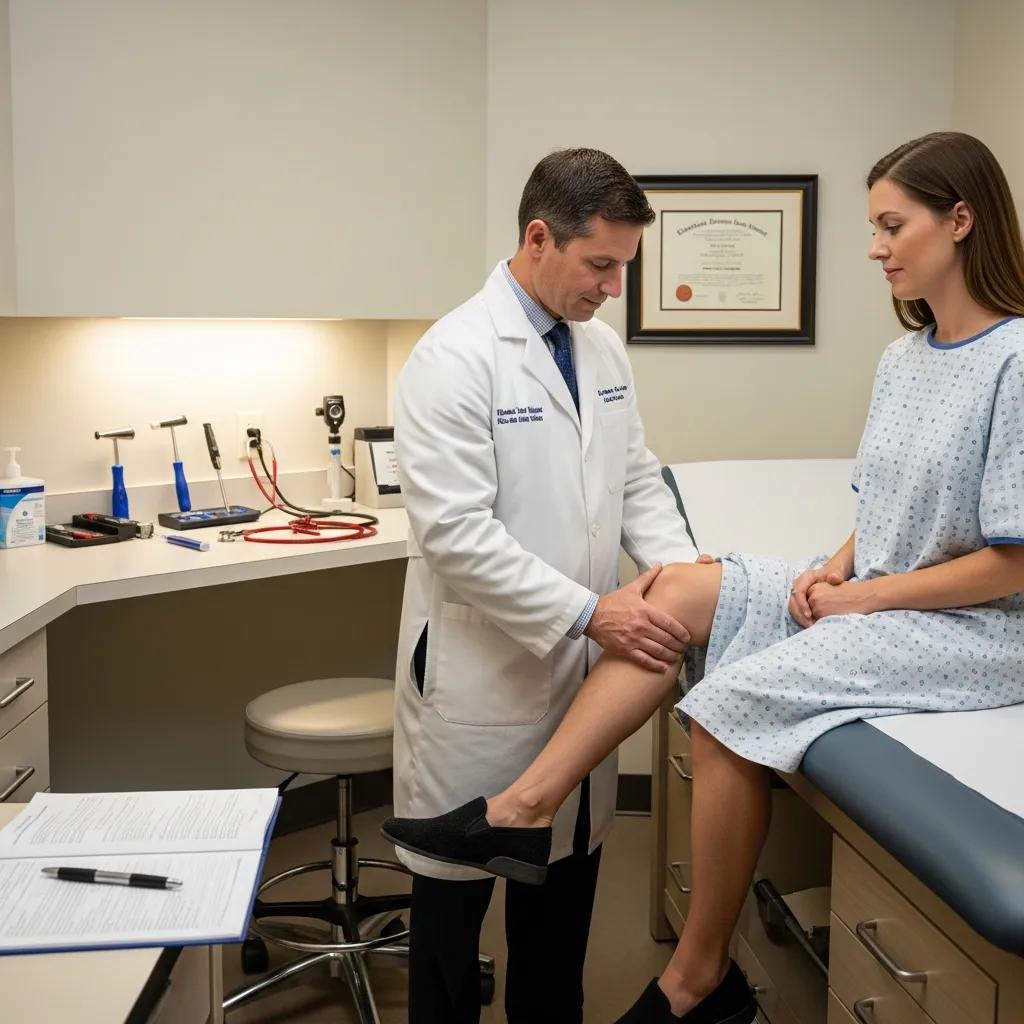
Independent Medical Examinations (IMEs) are a crucial aspect of the discovery process in personal injury lawsuits. An IME involves an evaluation of the injured party by a medical professional who is not involved in their treatment. This examination aims to assess the nature and extent of the injuries claimed.
IMEs are often requested by the opposing party to verify the injuries and treatment reported by the plaintiff. The findings from an IME can significantly impact the case, as they may either support or contradict the claims made by the injured party.
When and Why Are IMEs Conducted During Discovery?
IMEs are typically conducted after the initial stages of discovery, once the injured party has provided their medical records and treatment history. They are essential for several reasons:
- Verification of Claims: IMEs help verify the injuries claimed by the plaintiff, ensuring that the reported conditions are consistent with the medical evidence.
- Assessment of Treatment Necessity: The examination can determine whether the treatment received was appropriate and necessary for the injuries sustained.
- Estimation of Future Medical Needs: IMEs can also provide insights into the potential future medical needs of the injured party, which is crucial for calculating damages.
By understanding the role of IMEs, individuals can better prepare for this aspect of the discovery process and ensure that their claims are accurately represented.
How Do IMEs Impact the Evaluation of Injury Claims?
The results of an IME can have a significant impact on the evaluation of injury claims. If the findings support the plaintiff’s claims, it can strengthen their case and increase the likelihood of a favorable outcome. Conversely, if the IME reveals inconsistencies or downplays the severity of the injuries, it may weaken the plaintiff’s position.
Attorneys must carefully consider the implications of IME results when developing their case strategy. By anticipating potential challenges and preparing for the examination, legal representation can effectively advocate for their clients’ rights.
What Is the Typical Timeline and Deadlines for Discovery in Personal Injury Lawsuits?
The timeline for the discovery process in personal injury lawsuits can vary significantly depending on the complexity of the case and the jurisdiction. However, understanding the typical duration and deadlines is essential for effective case management.
Discovery generally begins after the initial pleadings are filed and can last several months. During this time, both parties engage in the various methods of discovery, including interrogatories, depositions, and requests for production.
How Long Does the Discovery Phase Usually Last?
The discovery phase typically lasts between three to six months, although it can be extended in more complex cases. Factors that can influence the duration of discovery include:
- Number of Parties Involved: More parties can lead to a more extended discovery process due to the increased volume of evidence and information to be exchanged.
- Complexity of the Case: Cases involving multiple injuries, extensive medical records, or numerous witnesses may require additional time for thorough discovery.
- Court Schedules: The availability of court resources and scheduling can also impact the timeline for discovery.
By understanding these factors, individuals can better prepare for the discovery process and manage their expectations regarding timelines.
What Are Wisconsin-Specific Rules Affecting Discovery Deadlines?
In Wisconsin, specific rules govern the discovery process, which can affect deadlines and procedures. Some key aspects of Wisconsin’s discovery rules include:
- Mandatory Disclosure: Wisconsin law requires parties to disclose certain information without the need for formal discovery requests, streamlining the process.
- Time Limits: The court may impose time limits on the discovery phase, ensuring that cases progress efficiently through the legal system.
- Protective Orders: Parties can seek protective orders to limit the scope of discovery or prevent the disclosure of sensitive information.
Understanding these Wisconsin-specific rules is essential for effectively navigating the discovery process and ensuring compliance with legal requirements.
How Do Attorneys Navigate Challenges in the Personal Injury Discovery Process?
Attorneys play a crucial role in navigating the challenges that arise during the personal injury discovery process. Their expertise and experience are vital for ensuring that clients’ rights are protected and that the discovery process is conducted effectively.
What Common Obstacles Arise During Discovery and How Are They Addressed?
Several common obstacles can arise during the discovery process, including:
- Non-Compliance: One party may fail to comply with discovery requests, leading to delays and potential sanctions. Attorneys can address this by filing motions to compel compliance.
- Objections to Requests: Parties may object to certain discovery requests, claiming they are overly broad or irrelevant. Attorneys must carefully craft requests to minimize objections and negotiate with opposing counsel.
- Time Constraints: The discovery process can be time-consuming, and attorneys must manage their time effectively to meet deadlines and prepare for trial.
By anticipating these challenges and developing strategies to address them, attorneys can help ensure a smoother discovery process for their clients.
How Does Legal Representation Maximize Evidence Gathering and Client Protection?
Legal representation is essential for maximizing evidence gathering and protecting clients’ rights during the discovery process. Attorneys bring valuable skills and knowledge to the table, including:
- Expertise in Discovery Methods: Attorneys understand the various methods of discovery and can effectively utilize them to gather evidence that supports their clients’ claims.
- Negotiation Skills: Skilled attorneys can negotiate with opposing counsel to reach agreements on discovery requests, minimizing disputes and delays.
- Strategic Case Management: Legal representation allows for strategic planning throughout the discovery process, ensuring that all relevant evidence is obtained and presented effectively.
By leveraging their expertise, attorneys can significantly enhance the chances of a successful outcome in personal injury lawsuits.
Indeed, the strategic choices made by legal professionals can profoundly influence the trajectory and resolution of personal injury cases.
Personal Injury Litigation Strategies & Lawyer Tactics
This paper reveals some of the tactics that lawyers may use when conducting personal injury litigation. The research is empirically based by being drawn from structured interviews with a cross-section of practitioners. This qualitative evidence helps to place the rules of tort in a wider context and suggests that tactical considerations may affect the outcome of individual cases irrespective of their legal merits. A range of strategies are considered here to illustrate how they may be used at different points during the litigation.
Tort tactics: an empirical study of personal injury litigation strategies, R Lewis, 2017
EAV Table: Key Methods of Discovery in Personal Injury Cases
| Method | Purpose | Key Benefit |
|---|---|---|
| Interrogatories | Gather written responses to specific questions | Clarifies facts and establishes a record |
| Depositions | Obtain sworn testimony from witnesses | Assesses credibility and gathers detailed information |
| Requests for Production | Obtain specific documents and evidence | Supports claims with tangible evidence |
List of Common Documents Requested in Personal Injury Discovery
During the discovery process, several types of documents are commonly requested to support personal injury claims. These documents are essential for establishing the facts of the case and demonstrating the extent of damages.
- Medical Records: Detailed accounts of the injuries sustained and the treatment received.
- Accident Reports: Official documentation from law enforcement or insurance companies regarding the incident.
- Witness Statements: Accounts from individuals who witnessed the accident, providing additional context and support for the claims.
These documents are crucial for attorneys to build a strong case and advocate effectively for their clients’ rights.